
Accessibility And Scalability Of Gene Therapy
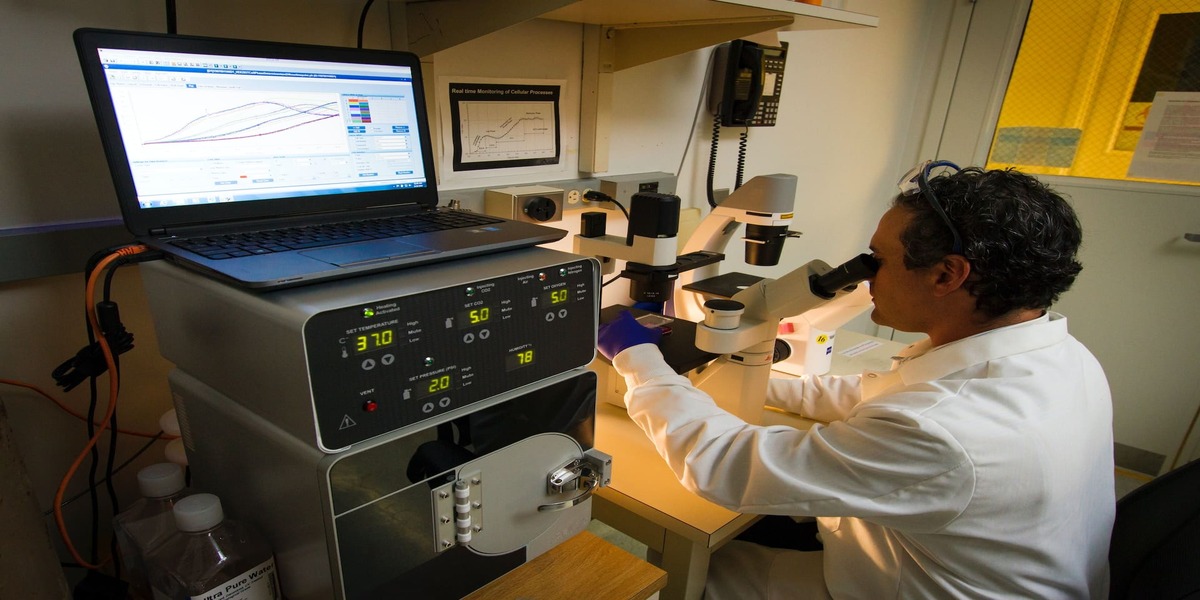
From my perspective, I see an industry going through rapid change as gene therapy moves from a proof of concept to more mainstream products, hoping to release the full potential of these life-changing medicines.
Challenges in Gene Therapy
To me, the key issue is the accessibility of these medicines to address wider disease areas and broader populations, which will need to achieve significant improvements in the levels of productivity and the scale of production of vectors and plasmid DNA, alongside this there is also a need to reduce doses through improved vector design.
Addressing These Challenges
There is a significant need for innovation to achieve these goals, building on the existing knowledge in bioprocessing. To achieve this, there is a need for collaboration between product developers, manufacturers, and suppliers to develop the needed solutions.
Frequently Asked Questions
1. What is gene therapy, and why is it considered a rapidly changing industry?
Gene therapy is a medical approach that involves modifying a person's genes to treat or prevent diseases. It typically involves introducing new genetic material into targeted cells to correct or replace a faulty gene.
Gene therapy is considered a rapidly changing industry due to advancements in scientific knowledge, technology, and understanding of genetics. These advancements have led to more precise and efficient gene delivery methods, better understanding of disease targets, and improved safety profiles. As a result, new therapies are continually being developed and tested, making the field dynamic and rapidly evolving.
2. What is the key issue in gene therapy that needs to be addressed for wider accessibility of medicines?
The key issue in gene therapy that needs to be addressed for wider accessibility of medicines is cost. Gene therapy treatments can be expensive due to the complex manufacturing processes involved, the need for specialized facilities and expertise, and the high research and development costs.
These factors contribute to the high price tags associated with gene therapies. Reducing the costs associated with gene therapy production and manufacturing will make these treatments more accessible to a wider population.
3. What are the challenges related to productivity and scale of production in gene therapy, specifically in vectors and plasmid DNA?
The challenges related to productivity and scale of production in gene therapy, specifically with vectors and plasmid DNA, include the following:
Yield
Obtaining high yields of viral vectors and plasmid DNA is challenging, as these products often require intricate purification processes and can be sensitive to manufacturing conditions.
Quality and Consistency
Ensuring consistent and high-quality vector and plasmid DNA production at scale is crucial. Maintaining batch-to-batch consistency and adhering to stringent quality control standards pose significant challenges.
Scalability
Adapting production processes to larger scales while maintaining efficiency and cost-effectiveness is a hurdle. Scaling up gene therapy manufacturing requires addressing equipment limitations, facility design, and process optimization.
Regulatory Compliance
Meeting regulatory requirements for gene therapy production is demanding. The complex nature of vectors and plasmid DNA, coupled with the need for strict quality control and safety measures, adds complexity and can slow production.
4. How can improved vector design help in reducing doses of gene therapy?
Improved vector design can help reduce doses of gene therapy by enhancing vector efficiency and specificity. The vector serves as a delivery vehicle for therapeutic genetic material. By optimizing the design of vectors, scientists can improve their ability to target specific cells or tissues, enhancing the therapy's effectiveness. This targeted delivery allows for a lower dose of the therapeutic agent while achieving the desired therapeutic effect.
Additionally, improved vector design can enhance the stability and longevity of the therapeutic effect, reducing the need for repeated doses and improving patient compliance. Ultimately, these advancements in vector design can reduce the overall dose requirement for gene therapy, making treatments more efficient and potentially more cost-effective.
Comments
No comments yet. Be the first to comment!