
Current Scenario In The AMR Industry
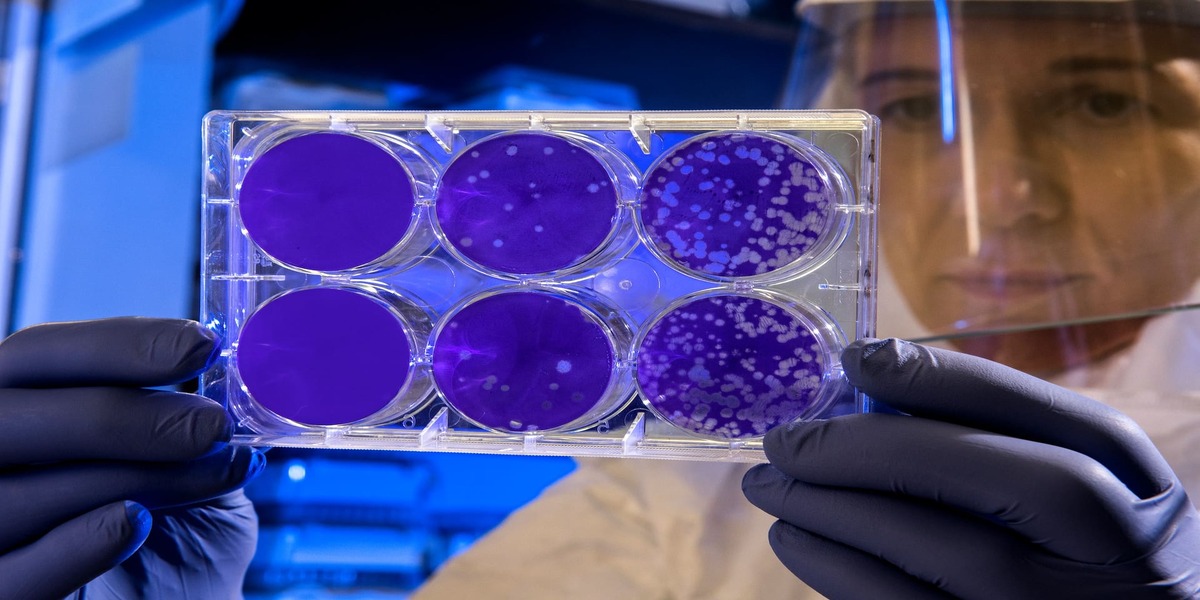
I want to discuss some key takeaways from the AMR conference held a few days ago in Basel. It was a good opportunity to be a part of it which also consisted of representatives from the US Senate, the Japanese Ministry of Health, the German National Association of Statutory Health Insurance Funds, the Public Health Agency of Canada, WHO, the European Medicines Agency, the European Commission, and several NGOs specializing in AMR.
Some of the interesting points are:
Small and Medium-Sized Companies
These companies are responsible for 80% of the novel antimicrobial pipeline, a counterintuitive figure as that was expected Big Pharma to be taking the grunt of the effort.
A survey among those SMEs showed that 3/4 of these companies are meeting their development goals, whereas, for the majority, their financial runway is less than one year.
Investment in AMR Activities
Within AMR activities, 10% of the investments are made in diagnostics, with 90% dedicated to identifying new antibiotics and other chemical agents.
European Commission
Little VC money is invested in this area, as it is considered too risky. But the European Commission is one of the important supporters of developing new antibiotics. They also prepared a report studying the six main antibiotics families and their supply chain vulnerability in Europe. The report also consisted of some actionable findings that should make the EU more resilient to global supply chain disruptions in preparation for global pandemics.
Insights
- Dr. Antonio Torres from Hospital Clinic Barcelona addressed issues like more deaths in Europe are due to Antimicrobial Resistance in comparison to deaths due to cancer. He also mentions how he relies on antibiotic stewardship in fast diagnostics to be the point of care, with a special emphasis on using multi-panel tests
- From Active Citizenship Network in Italy, Mariano Volta also explained how Italy accounts for 30% of the AMR cases in the EU, while Greece is another country with clear AMR issues
- Companies Showcasing new Technologies
- Novel detection techniques for Urine Tract Infections (UTI)
- Raman spectroscopy technique is used to detect changes in bacteria as soon as they are exposed to antibiotics, providing UTI resistograms in less than 3.5 hours
- Outside of UTI applications, www.ichortec.com presented their novel instrument based on Fluorimetry of Molecular Binding in situ, capable of providing results from a nasal swab in under 3 minutes
- Presenting impressive new pre-clinical development tools, two researchers from NCCR AntiResist, Urs Jenal, and Isabel Sorg, showed spectacular results obtained with 3D tissues grown from stem cells, arranged to be able to replicate the physics of lung and bladder tissues when exposed to infections. The images of those tissues fighting or succumbing to infections in real-time were nothing amazing
- Posters
- Nostics had an interesting poster showing their fast Surface Enhanced Raman Spectrometer sensors, focused on care testing
- In contrast, iFast Diagnostics Ltd focused on central laboratory testing and presented a poster with very interesting results, showing how their technique utilizes the electrical properties of single bacteria individually measured in a microfluidic chip
Conclusion
The general feeling during the conference was optimistic: substantial talent supports the development of novel antibiotics and in vitro diagnostics tools for the current fight against antimicrobial resistance. That talent is supported by central governments, with the EU Commission acting strongly, while private funders are shy of investing because of the risks involved, but they need to realize the commercial benefit of success in this truly global field.
All in all, a positive outlook in this very important fight for the survival of antibiotics.
This article was contributed by our expert Juan F Roman
Frequently Asked Questions Answered by Juan F Roman
Q1. How is the pharmaceutical industry responding to antibiotic resistance?
Substantial activity from small pharma start-ups in developing novel antibiotics in a race against the clock, as many bacteria are becoming resistant to the most widely used (and cheaper) antibiotics. Big pharma is not investing heavily in this field, and 90% of the research investment comes from small and medium size companies.
Q2. Which strategies can be effective in preventing antibiotic resistance?
Antibiotics stewardship
Doctors should only prescribe antibiotics if it is clear the bacteria are susceptible, and it is not easy as it requires careful monitoring of patients instead of 'prescribe and bye.'
Q3. What is the economic burden of antibiotic resistance?
In Europe, antibiotic resistance-related deaths are more numerous now than those from cancer—a sobering figure.
Q4. What current technologies are being used in the AMR industry?
Point-of-care diagnostics help doctors decide if the infection is viral or bacterial (hence susceptible to antibiotic treatment).
Comments
No comments yet. Be the first to comment!