
Healthcare IT
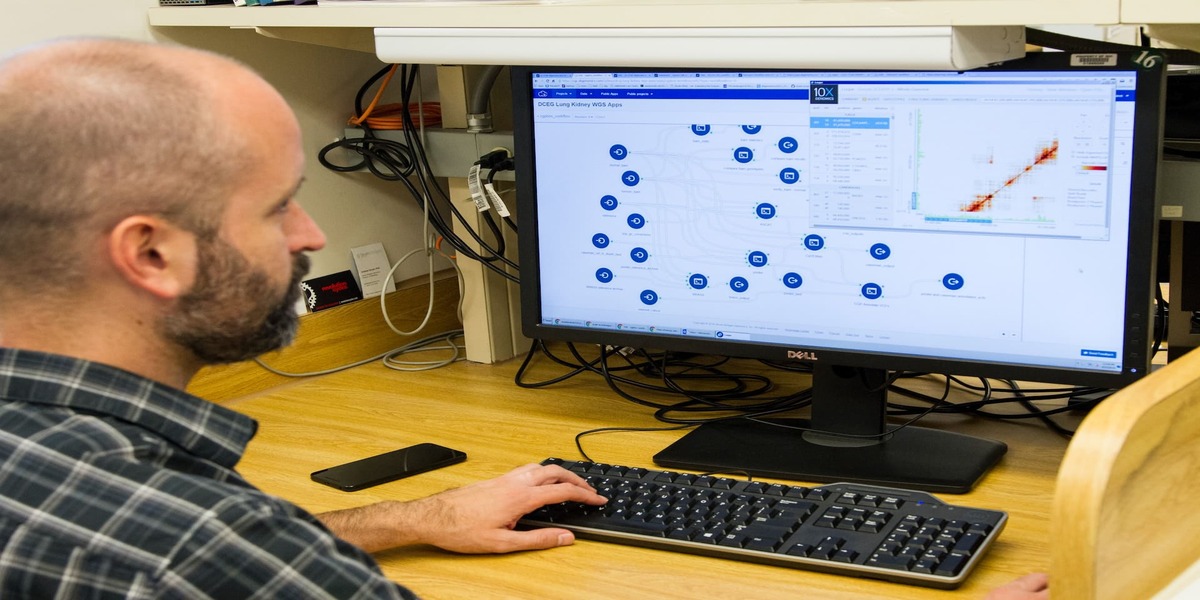
Healthcare IT is a rapidly evolving field that plays a crucial role in shaping the future of healthcare delivery. With the advent of new technologies, several trends in healthcare IT is worth noting.
Trends in Healthcare IT
Telemedicine
One of the most significant trends in healthcare IT is the rise of telemedicine. Remote video access to a patient has not only made healthcare more accessible but also more efficient. The COVID-19 pandemic has accelerated the adoption of telemedicine, as it allows patients to consult with their healthcare providers remotely.
Globally, telemedicine will grow in popularity even after the pandemic fully subsides. It has proven to be a convenient and cost-effective alternative to traditional in-person visits.
AI and ML
Furthermore, healthcare IT uses Artificial Intelligence (AI) and Machine Learning (ML). These technologies are leveraged to improve the accuracy and speed of diagnoses and personalize treatment plans.
AI and ML are also being used to improve the efficiency of healthcare delivery by automating repetitive tasks and reducing the workload of healthcare professionals.
The trend of wearables and IoT devices in healthcare is also noteworthy. Wearable devices, such as fitness trackers and smartwatches, are being used to collect data on patients' health and activity levels. This data is then analyzed using AI and ML to identify potential health issues and provide personalized recommendations.
IoT devices, such as smart pills, are also being used to monitor patients' medication compliance and track the progression of chronic conditions.
Cloud Computing
Meanwhile, cloud computing allows healthcare providers to store and access patient data remotely, which is essential for telemedicine and other remote care services.
Blockchain technology in healthcare IT is quickly gaining momentum. It creates secure, decentralized systems for storing and sharing patient data.
Moreover, this can help improve patient data's privacy and security and make it more accessible to authorized parties.
Cloud computing also enables healthcare providers to share patient data across different systems and platforms, which is critical for providing coordinated care backed by the developing blockchain.
Conclusion
In summary, healthcare IT is a rapidly evolving field with many trends to keep an eye on. Telemedicine, AI/ML, wearables, IoT devices, cloud computing, and blockchain technology are all trends that experts predict will shape the future of healthcare delivery. As a senior SME in this industry, staying informed about these trends and how they may impact your organization is essential.
This article was contributed by our expert David Sierra
Frequently Asked Questions Answered by David Sierra
Q1. What are some known barriers to telemedicine?
Some known barriers to telemedicine include lack of access to reliable internet and technology, lack of reimbursement for telemedicine services, and concerns about patient privacy and security.
Q2. What is the future of artificial intelligence in the healthcare market?
The future of artificial intelligence in healthcare is expected to include more widespread use of AI-powered diagnostic tools, improved patient monitoring and personalized treatment plans, and increased efficiency in healthcare delivery.
Q3. Why does blockchain technology have great potential in the healthcare industry?
Blockchain technology has great potential in the healthcare industry because it allows for secure, decentralized patient data storage, which can improve data sharing and collaboration among healthcare providers. It also has the potential to improve supply chain management and tracking of medical products.
Q4. How will healthcare be delivered in the future?
In the future, healthcare is likely to be delivered through a combination of in-person and remote care, with a greater emphasis on telemedicine and technology to enable more efficient and personalized care. This will likely involve greater use of artificial intelligence and other digital tools to support diagnosis and treatment and more data analytics to improve population health management.
Comments
No comments yet. Be the first to comment!