
India’s Evolving Gas Distribution Sector
Q1. With extensive experience across LPG sales, bottling operations, and CNG/PNG marketing and infrastructure design, how have your responsibilities evolved in response to shifts in India’s energy distribution landscape over the past decade?
In the earlier stages, responsibilities for LPG, CNG, and PNG were managed separately. My focus in LPG was on ensuring supply reliability, improving bottling efficiency, and managing distributors. At the same time, CNG and PNG were just beginning, with efforts centered on rolling out basic networks.
Over the past decade, particularly in LPG, my roles have shifted toward automation, integration, and improving operations. Today, the focus goes beyond simply selling gas. I am involved in building systems that manage safety, cost efficiency, customer experience, and meeting regulatory requirements across all fuel segments.
For PNG, the large-scale rollout started around 2018. Infrastructure development slowed during 2020 and 2021 due to COVID, but in the last four years, pipeline expansion has picked up pace. I have seen CGD companies expand their networks, increase household connections, and achieve stable revenues. This period has also required more data-driven planning, city gas network design, and close collaboration with municipal agencies, which was less common in earlier years.
Q2. India is targeting over 126 million PNG connections and 18,000 CNG stations by 2034 to expand access to clean fuels. How do you see this policy-driven infrastructure growth shaping commercial and operational priorities in CNG/PNG sales and distribution?
Ambitious targets, including 126 million PNG connections and 18,000 CNG stations, have fundamentally changed our priorities. Instead of focusing on short-term sales, commercial teams now plan for long-term catchment development, demand forecasting, and phased volume growth.
From an operational perspective, reliability and expandability are essential. Any interference can quickly damage public confidence in clean fuels. To address this, we are focusing on standardized station designs, automation, robust safety systems, and enhanced downstream logistics to support rapid expansion while maintaining service quality.
Q3. With CNG stations and piped gas use growing by multiples in the past decade, what key consumer insights or market forces are driving this sustained shift toward natural gas over LPG?
In addition to cost and convenience, safety is a key driver. Natural gas is lighter than air and disperses quickly if there is a leak, while LPG is heavier and can accumulate near the floor, which increases the risk of explosion.
Apart from safety, I see three main factors driving the shift. First, CNG and PNG offer lower running costs for vehicles and households. Second, convenience is significant—PNG removes the need for cylinder refills, and CNG is reliably available in urban areas. Third, perception matters. Natural gas is now seen as a cleaner, modern fuel that fits with urban lifestyles and eco-friendly aims. These factors, together, have reinforced the steady shift toward natural gas.
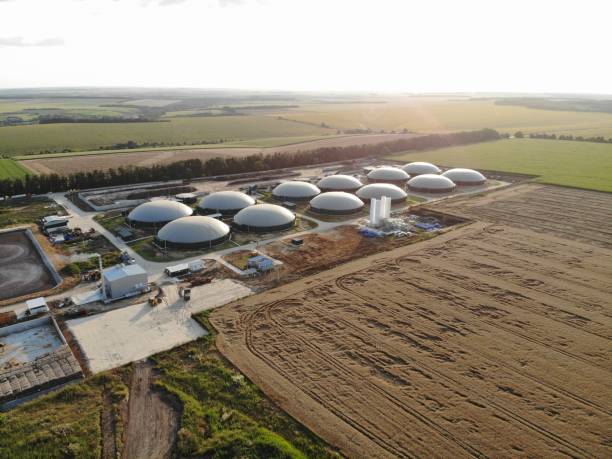
Q4. The government is mandating bio-CNG (CBG) blending into CNG/PNG supplies, with demand projected to rise significantly by 2030. How do you envision this policy impacting product portfolios, pricing models, and customer engagement strategies?
CBG blending adds a new dimension to our product strategy. We will gradually shift from purely fossil-based gas to blended offerings, making explicit communication with customers essential. Pricing models may also need to showcase local sourcing advantages and manage variability in CBG supply.
From a customer engagement perspective, CBG offers a compelling story about circular-economy benefits, waste-to-energy solutions, and sustainability. However, the main challenges for bio-CNG plants are inconsistency in gas quality and production. Such problems frequently come from variable raw material quality, technology limitations, and shortages of skilled manpower.
Q5. Several studies suggest LPG demand may moderate as PNG adoption grows due to cost and convenience advantages. How should LPG marketing and bottling operations adapt to ensure balanced growth across fuel segments?
LPG will remain important, especially in rural areas, remote locations, and as a backup or high-heat fuel. Our marketing initiatives should reposition LPG as a reliable and flexible energy option, not just the default household fuel.
In bottling operations, the focus should be on automation, efficiency improvements, enhanced safety, and fine-tuned logistics. There is also room for developments in smaller cylinder sizes, better commercial bulk solutions, and improved distributor service models. New developments like transparent, explosion-resistant LPG cylinders further improve safety and build consumer confidence.
Q6. Given recent regional adjustments in CNG/PNG pricing and broader energy cost variability, what pricing strategies or supply-chain optimizations have you found most effective for maintaining competitiveness and customer retention?
In a volatile energy cost environment, I have found that honesty and predictability work better than aggressive pricing. Linking prices clearly to input costs, improving procurement planning, and reducing compression and transportation losses have all proven valuable.
On the supply side, better pipeline utilization, strategic storage planning, and long-term sourcing contracts help stabilize margins. Building robust PNG pipeline infrastructure also enables more competitive pricing than LPG. Consistent communication during price changes is important for preserving customer confidence and retention.
Q7. If you were advising senior leadership or an investor focused on the energy distribution sector, which segments—such as PNG infrastructure, bio-CNG integration, LPG bottling innovation, or CGD policy alignment—would you prioritize for long-term growth and sustainable returns, and why?
For senior leadership and investors, I see three main priorities. First, PNG infrastructure offers stable, long-term returns and strong customer retention once established. Second, integrating bio-CNG is consistent with future policy, sustainable development goals, and domestic energy security. Third, strong CGD policy compliance and compliance capabilities are essential, as regulatory clarity and disciplined execution often set successful companies apart.
LPG bottling innovation is still important, but I see it mainly as a support and diversification strategy, not the primary driver of growth.
Comments
No comments yet. Be the first to comment!