
Insights from Utility-Scale Solar Operations
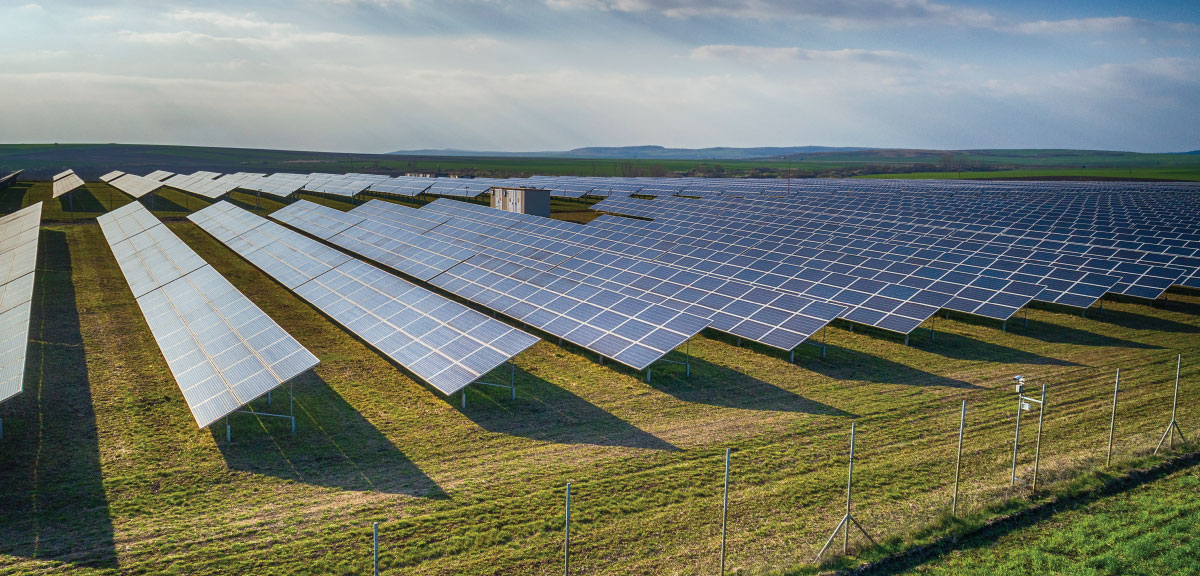
Q1. To begin, could you briefly outline your professional background and how your experience across solar EPC design, energy yield assessment, asset management, and M&A evaluations has shaped your current responsibilities?
I conceptualise solar plants and design both the DC and AC sides based on plant-specific requirements. My responsibilities include BOQ preparation, design optimisation, and energy yield modelling for budget preparation and operational performance tracking. I also assess operational plants where there is a drop in generation, carry out operational fault analysis, and support M&A activities by evaluating plants in terms of generation performance, fault analysis, and budgeted versus actual generation.
Q2. From a utility-scale solar developer and asset-owner perspective, how do you assess the current market size and growth outlook for ground-mounted solar, repowering opportunities, and hybrid configurations, and which segments are showing the most durable expansion?
This is directed by the business development team in line with country-specific targets. Repowering assessments are carried out to maintain target generation levels and to avoid penalties.
Q3. Based on your hands-on experience with yield assessment and repowering, what are the most common drivers of CUF degradation over time, and under what conditions does repowering meaningfully improve project-level returns?
The main drivers are module degradation and robotic issues. All balance-of-system components are generally operating well, with minimal fault levels. Repowering is considered based on target generation requirements and module pricing.
Q4. When assessing solar assets for acquisition or during technical bid evaluations, what technical, contractual, or operational red flags most often impact valuation, and which risks do you see investors underestimating?
From a technical perspective, key red flags include DC system integrity issues, albedo-related issues, and inverter issues.
Q5. From an asset management and SCADA-driven O&M standpoint, which fault patterns or operational inefficiencies contribute most to generation losses, and what interventions deliver the highest ROI in reducing downtime?
The main contributors are inverter breakdowns, transformer breakdowns, string-level mismatches, and bypass diode failures.
Q6. If you were advising investors or senior management evaluating utility-scale solar portfolios today, what yield, risk, or operational metrics would you prioritise to distinguish resilient, cash-generative assets from those vulnerable to long-term performance erosion?
This depends on various factors, such as:
- Location
- Meteorological data
- Project technology
- Related considerations
Comments
No comments yet. Be the first to comment!