
Maximizing Value in Renewable Portfolios
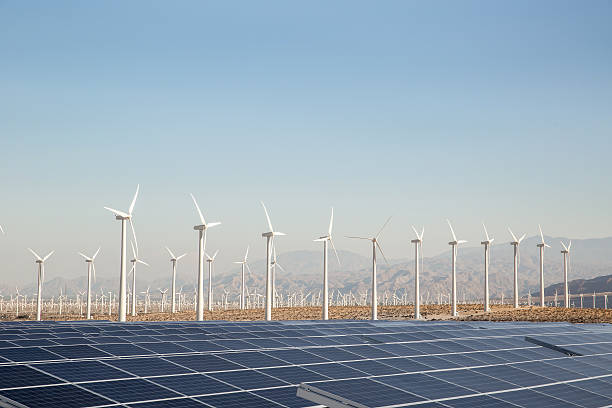
Q1. In large renewable portfolios, where does resource analysis most directly influence long-term asset value rather than just project feasibility?
For me, resource analysis goes well beyond checking whether a project is feasible. It plays a key role in comprehending long-term cash flows and overall asset value. Having the right mix of wind and solar helps smooth out year-to-year variability, reduces risk, and adds stability to the portfolio. That stability supports better PPA pricing and more efficient use of grid capacity, which ultimately drives long-term value.
Q2. When developing wind and solar projects at scale, where do teams risk losing value by placing importance on speed over depth in resource assessment?
The biggest risk is getting yield estimates wrong—especially P75 and P90 numbers that are either overstated or understated. When that happens, financiers lose confidence, and that ends up hurting both timelines and capital costs. In trying to move fast, teams often end up paying a much higher price later.
Q3. For C&I customers evaluating hybrid renewable-plus-storage solutions, which modeling assumption most often breaks down in real-world operations?
In practice, assumptions around solar module and battery capacity loss tend to fall apart. Performance declines over time, and customer requirements evolve. This is where live monitoring becomes critical—it helps identify faults early and reduce the operational impact.
Q4. How does refined forecasting and scheduling materially change trading results for variable renewable assets?
In market trading, especially in the Day-Ahead segment, once schedules are submitted, there’s no room for correction. Better forecast precision directly reduces deviations, which means lower DSM exposure and more predictable revenues.
Q5. From land acquisition through commissioning, which non-technical risk tends to have the biggest downstream impact on project returns?
Delays in land acquisition have the most severe downstream impact on returns. In many cases, land grants don’t fully materialize, leading to right-of-way issues. If these aren’t resolved, the financial hit can be significant. Other challenges, like labor shortages or supply-chain disruptions, do matter, but they’re usually easier to manage than land-related risks.
Q6. What separates renewable analytics teams that meaningfully improve trading and commercial performance from those that remain purely technical?
The real difference is whether the analytics actually influence commercial and trading decisions. When they do, the impact shows up clearly in the P&L—otherwise, the work stays technical and disconnected from value creation.
Q7. If you were evaluating a renewable platform as an investor, what signals in their resource analysis, forecasting, or trading approach would raise early red flags?
On the resource side, inflated yield numbers, weak data validation, lack of site-specific adjustments, or inconsistent modeling methods are instant red flags.
For forecasting, relying on limited historical data, ignoring longer-term climate trends, or poorly maintained forecasting tools are warning signs.
From a trading perspective, the absence of a clear risk-management framework or 24/7 monitoring would be a serious concern.
Comments
No comments yet. Be the first to comment!