
Post COVID19 - Transportation: Pause/Play Or Reboot
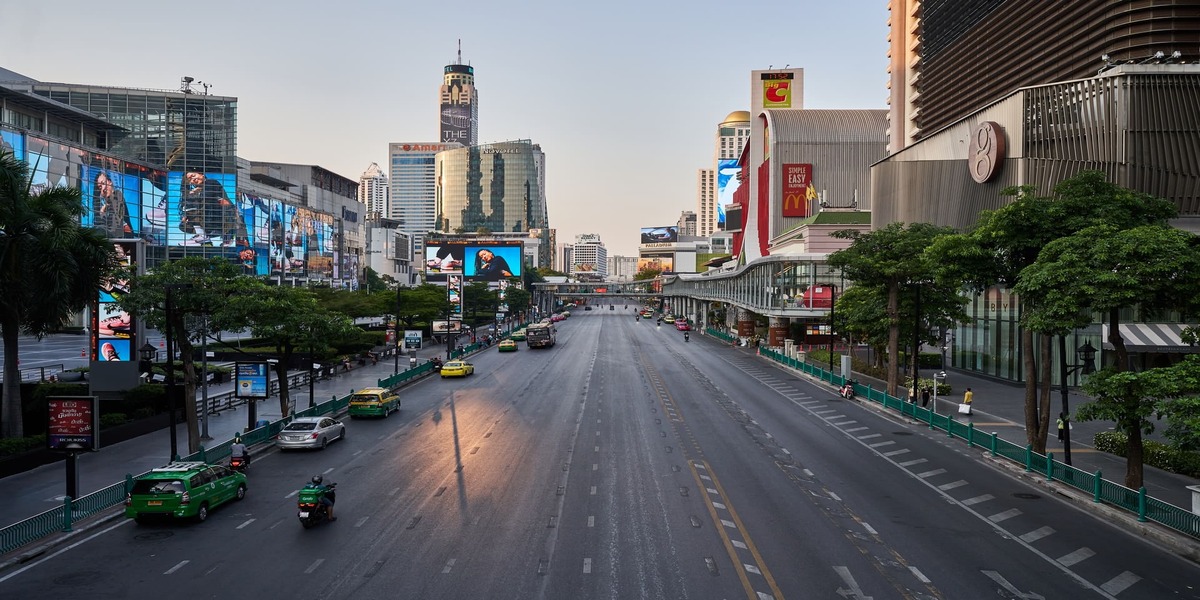
Never in recent history has human activity globally come to an excruciatingly grinding halt as it is now with the COVID-19 pandemic. An invincible virus that is transmitted human-to-human can cause death to humankind. Originating in Wuhan (China), even the most powerful countries in the world are unable to cope with the exponential spread of this virus, which disregards national boundaries, societal status, gender, etc.
Human activity is now curbed by lockdown’s / travel restrictions / safe distance measures etc., imposed by most governments – transportation during the pandemic is grounded, movement of people & goods restricted, economic activity disrupted, livelihoods & lifestyles are not the same anymore.
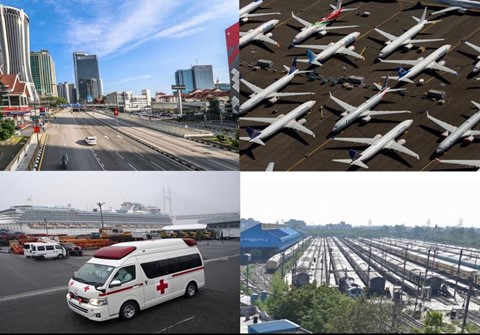
While we mourn our dead and strive to stay alive, concerned about our livelihoods & businesses trying to stay afloat, planet earth is healing from this slowdown of human activity. And this forced lockdown, though very inconvenient, is beneficial for mankind too - a cleaner atmosphere. However, the death toll from the COVID-19 virus globally is over 6 million as of March 2022.

However, air pollution kills an estimated 7 million people annually, of which 1.1 million deaths per year are in China alone and costing the Chinese economy around $38 billion each year. Stanford Earth Sciences professor Marshall Burke projected that two months of COVID-19 pandemic lockdown had saved the lives of 77,000 Chinese children and elderly from air pollution alone.
The Impact of COVID-19 on Transportation
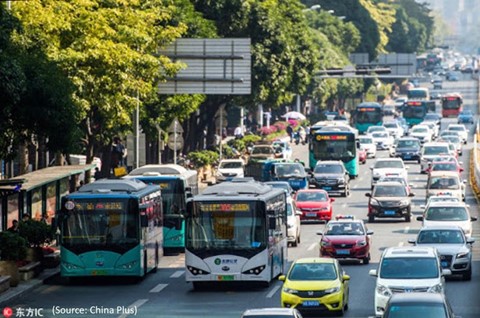
China is making a concerted effort to considerably reduce air pollution emitted by vehicles. For instance, Shenzhen has converted its entire fleet of around 16,000 public buses & 12,000 taxis to electric vehicles. These changes in transportation help by reducing CO2 emissions by around 48% and drastically reducing pollutants such as nitrogen oxides, non-methane hydrocarbons, and particulate matter.
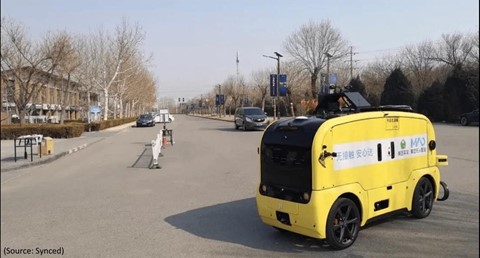
During the recent COVID-19 outbreak, Modai - an AI-powered autonomous vehicle, was used to deliver groceries in Beijing (China). Modai has a range of 100 kilometers and can carry up to 100 kg of goods, enabling it to make several deliveries before recharging.
Singapore has one of the best transportation infrastructures in the world – airports, seaports, metros, buses & taxis. Its ‘car-lite’ policy & an efficient public transport ensures that there are hardly any traffic congestions and people have easy access to public transport.
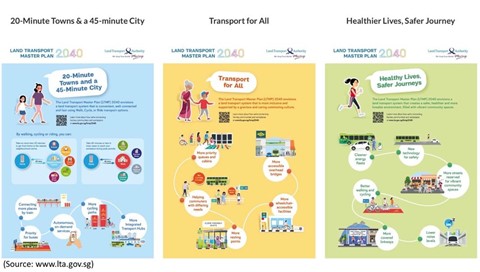
Going forward, Singapore is gearing up to integrate eco-friendly transportation through autonomous vehicles & drones. They are working on a land transport masterplan 2040, which envisions a land transport system that is convenient, well-connected, and fast - using walk, cycle, or ride transport options.
The Future of Public Transportation
In many developing countries, public transport is inadequate, unsafe, and unaffordable. Lack of appropriate mobility solutions can be an impediment to livelihoods & access to social infrastructure such as schools and health services difficult for the underprivileged.
Trillions of dollars are going to be pumped into reviving the economy to overcome the impact of the COVID-19 pandemic. Will that money go towards propping up legacy fossil-fuel-based polluting businesses which can lead us on to a climate crisis or will it be invested in clean-tech startups so that we transition to a cleaner, greener environment for future generations?
Electric Vehicles (EV) + (RE) Renewable Energy is the best climate action, to transition towards clean transport & energy.
Will humanity choose to reboot to a more eco-conscious living?
This article was contributed by our expert Christie Fernandez – founder Sooorya EV
Frequently Asked Questions Answered By Christie Fernandez:
Q1. What are the major factors that will determine the future of public transportation?
Public transport will have to be ACE (Affordable, Comfortable, Eco-friendly), and it has to be seamlessly multi-modal (last mile – bus / metro – last mile).
Q2. What are the rising trends in the world of transport?
Robo-taxis & VTOL aircrafts (flying cars) will be the future of transport, but they are at least 2 to 3 decades away from becoming ubiquitous.
Q3. What is the future of sustainable transportation?
Sustainable transport is commercially viable with shared electric vehicles powered by renewable energy.
Q4. How AI/ ML can help transportation sector post-Covid era?
With digitalization of transport (routing / booking / payments), enormous data is generated, which can be analysed to improve transport efficiency using AI/ML.
Comments
No comments yet. Be the first to comment!