
Public Health: Protecting Communities Together
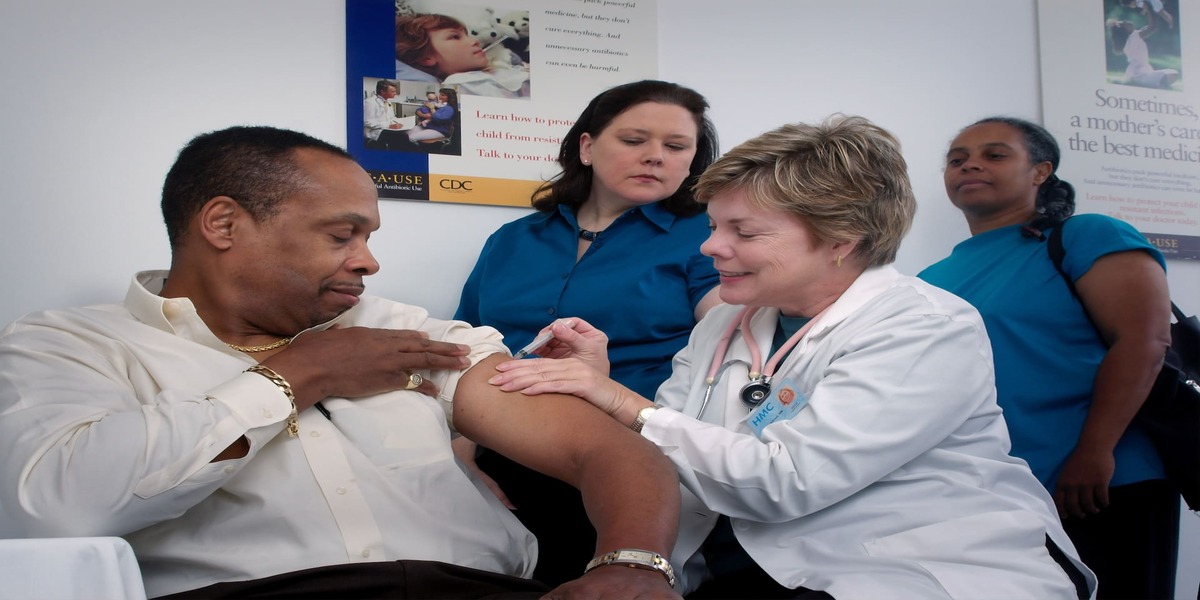
Public health is a profession driven by the community's needs. It is people-driven and result oriented. Key components that drive a program are program management, data and surveillance, case management, preventive outreach, and strategic partnering. It requires a synergy of all components to produce favorable results and outcomes that protect communities from known communicable and environmental health hazards and conditions.
Capacity Building within the Community
The lack of capacity by many community health agencies hinders their ability to influence necessary behavioral changes that lead to proven beneficial outcomes. Having the necessary capacity in the above-mentioned areas will ensure quality relationships between the community and public health agencies. Practices such as the development of community coalitions, community engagement by going door to door, training of community members, and using other incentives create buy-in and a level of trust which has shown to be empowering.
Frequently Asked Questions
1. What is public health, and how is it driven by the needs of the community?
Public health is the science and practice of promoting and protecting the health and well-being of populations. It focuses on preventing diseases, prolonging life, and improving communities' overall quality of life.
The needs of the community drive public health as it considers the unique characteristics, health challenges, and priorities of the population it serves. It involves assessing the community's health needs, identifying health disparities, and developing targeted interventions and policies to address those needs. Community input and engagement are vital in shaping public health initiatives to ensure they are responsive, culturally appropriate, and effectively meet the community's health needs.
2. What are the key components that drive a public health program?
Several key components drive a public health program, including:
Program Planning and Management
This involves setting goals, defining objectives, allocating resources, and implementing strategies to address specific health issues.
Data and Surveillance
Collecting, analyzing, and interpreting health data to identify patterns, trends, and health disparities within the population. This information helps guide decision-making and resource allocation.
Case Management
Providing individualized support and care to individuals affected by specific health conditions, such as connecting them to appropriate healthcare services, coordinating treatment, and monitoring their progress.
Preventive Outreach
Engaging in educational initiatives, health promotion campaigns, and community outreach to raise awareness, prevent diseases, and promote healthy behaviors.
Strategic Partnering
Collaborating with various stakeholders, such as healthcare providers, community organizations, policymakers, and businesses, to leverage resources, share expertise, and implement coordinated approaches for improved health outcomes.
3. Why is synergy among program management, data and surveillance, case management, preventive outreach, and strategic partnering important in public health?
Synergy among these components is essential in public health for several reasons:
Comprehensive Approach
Each component addresses different aspects of public health, and their integration ensures a comprehensive approach to addressing health issues in the community.
Effective Resource Allocation
Collaboration and coordination among these components enable efficient use of resources by pooling expertise, sharing data, and avoiding duplication of efforts.
Holistic Care
Synergy allows for a holistic approach to health, combining surveillance and data analysis to inform program management, case management to provide individualized care, and preventive outreach to promote population-level health.
Improved Outcomes
By working together, these components can create a synergistic effect that leads to better health outcomes, stronger disease prevention, improved community engagement, and more effective health interventions.
4. How does public health protect communities from communicable and environmental health hazards?
Public health plays a crucial role in protecting communities from communicable and environmental health hazards through various strategies:
Disease Surveillance and Outbreak Response
Public health agencies monitor disease patterns, identify outbreaks, and respond swiftly to prevent further transmission. This includes implementing measures such as contact tracing, isolation and quarantine protocols, and vaccination campaigns.
Health Education and Promotion
Public health agencies provide information and education about communicable diseases, their transmission, and prevention measures. They promote behaviors like hand hygiene, proper sanitation, safe food handling, and vaccination to reduce the risk of disease spread.
Environmental Monitoring and Regulation
Public health agencies monitor environmental factors such as air and water quality, hazardous waste disposal, and food safety standards. They develop regulations and policies to mitigate environmental health hazards and protect the community from exposure to harmful substances.
Emergency Preparedness
Public health agencies develop emergency response plans to address natural disasters, pandemics, and other public health emergencies. They coordinate with other agencies to ensure prompt and effective responses to protect the community and minimize the impact of hazards on public health.
Comments
No comments yet. Be the first to comment!