
Building Resilient Renewable Supply Chains
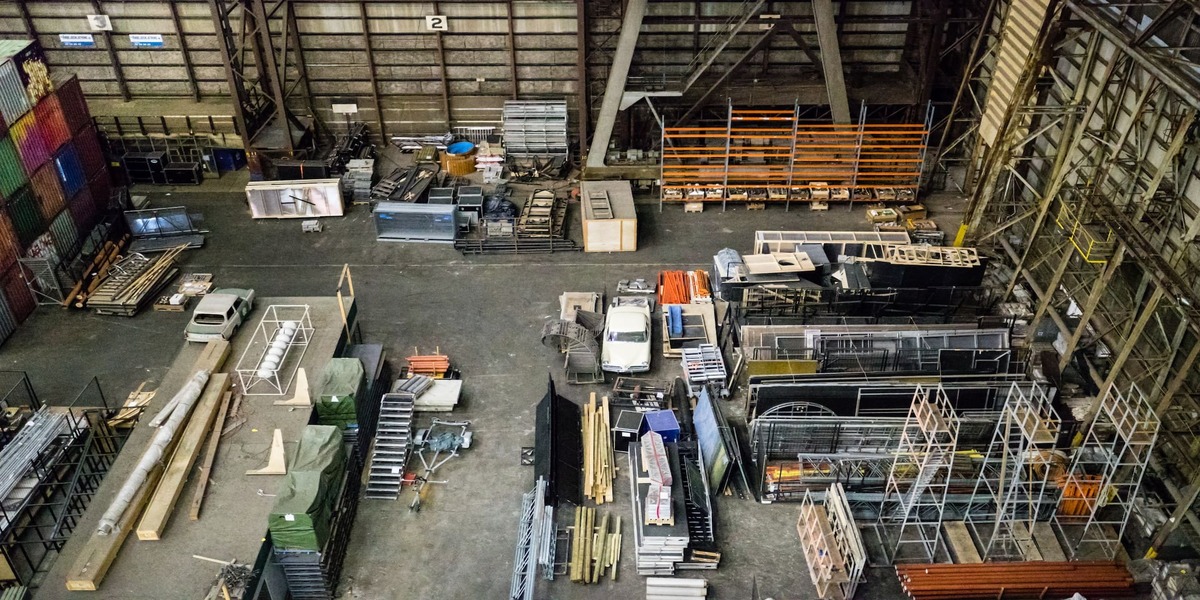
The renewable energy supply chain has to be at the forefront of sustainability and ESG compliance.
Focusing on sustainability matters, it is also worth mentioning several risks that can disrupt the business, such as increased manufacturing volumes, supplier disruptions, ethical risks, quality problems, geopolitical risks, capacity constraints, and so on.
These risks lead to delays in customer orders, increased landed costs, reduced margins, missed customer orders and revenue, delays in new product introduction, organizational inefficiency, and demotivated staff.
A risk management approach, together with stage-gate project management, is fundamental for keeping the supply chain on track and securing the desired outcome within the expected time, costs, and quality.
Three questions are the pillars for a solid preparation of the project:
- What is the opportunity in the global supply chain?
- What is the risk?
- What is the objective of the project?
In order to answer properly to these questions, a leadership structure must be in place first
- Define the current organizational
- Clarify roles and responsibilities
- Ensure adequate resources and establish primary communication channels.
By doing so, the project team is more resilient and can approach the most common processes in the whole supply chain management.
Typical processes that are managed with this model are:
- New suppliers introduction
- Cost-out programs
- Production planning
- Program and project management
- Cost-benefit analysis
- Value chain mapping and optimization
- Risk assessment
- Sourcing and purchasing
- Outsourcing and near sourcing
Frequently Asked Questions
1. How do regional and global policies and regulations impact the development of supply chains for renewable energy, and what measures can be taken to navigate and adapt to these dynamics?
They have a heavy impact on the supply chain development, and in most cases, local governments plan several hearings with developers to define the right level.
Managing good and technical communications with local representatives at all levels is very important. The most effective tool for supporting the local content requirements is the creation of clusters, which include developers, OEMs, local and central governments, universities, and industrial association representatives.
2. How can companies effectively assess and mitigate risks associated with supply chain vulnerabilities in the renewable energy sector?
Mapping the local and global capabilities of every commodity involved in Renewables is the most effective way to spot risks and find mitigations with the desired engagement level for every company.
3. How can companies ensure that their supply chain development aligns with ESG principles, particularly in the renewable energy sector?
It starts all from investors, insurers, and lenders' requests in terms of ESG targets. By deploying their guidelines in a smooth and transparent way, it can lead to rapid execution of the projects and avoid financial disruptions.
4. How can the principles of a circular economy be integrated into the design and manufacturing processes of renewable energy technologies?
It has to be aligned together with the local manufacturing footprint and ESG ambitions set forward by governments and local banks, especially when talking about carbon credits and greenhouse gases. This can lead to the creation of business opportunities, eventually subsidized by the government, for recycling materials and components.
Looking to the more executional aspect of circular economy creation, it is very important to create work groups consisting of engineering, procurement, operations, sales, suppliers and subject matters consultants for the architecture of the life cycles of the components during the initial design stage.
Comments
No comments yet. Be the first to comment!