
Renewable Energy Storage with Pumped Hydro
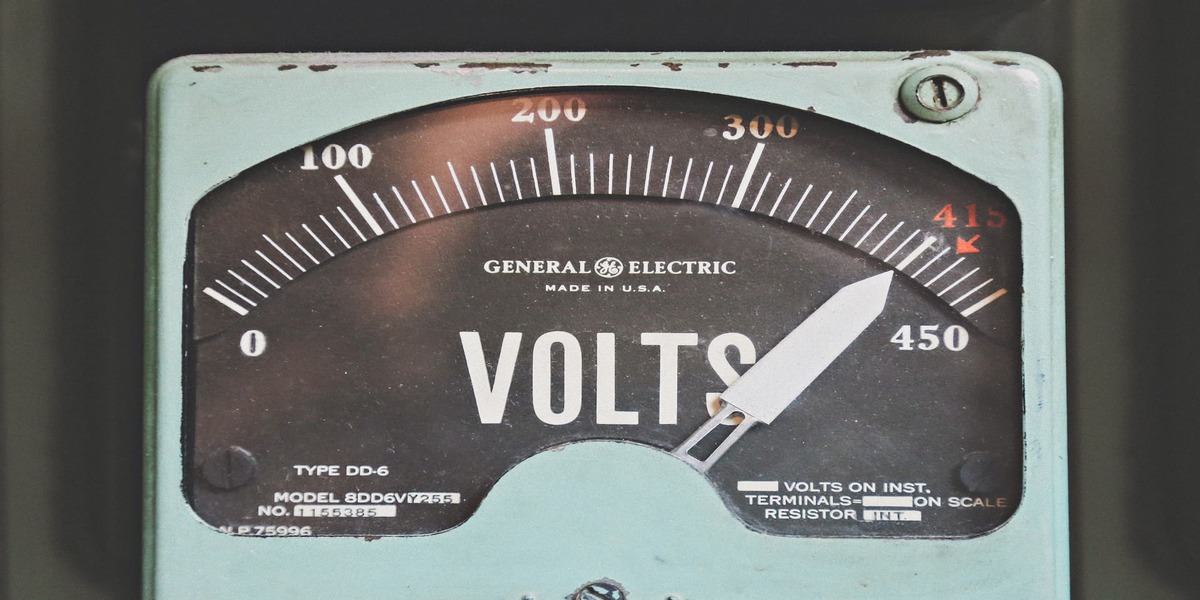
India has set an ambitious target of 450 GW renewable capacity by 2030. Also, India’s integrated power grid is one of the largest synchronous power grids in the world.
The high penetration of intermittent renewable sources such as wind and solar poses a major challenge to grid balancing, stability, and security.
Such challenges are associated with meeting the variation in generation demand while providing reliable services and have motivated the development of energy storage.
Further, the deployment of energy storage depends on the economic merits of storage technologies, and Pumped Hydro Storage is ideally suited to play a leading role.
The Ministry of Power (MoP), Government of India, has announced the promotion of RE and Pumped-Hydro Energy Storage (PHES) for decarbonizing the Indian grid.
PHES offers superior features such as continuous generation for 6-10 hours (depending on the storage capacity of its reservoir), high ramping capability (around 1% of its capacity/second), efficiency in the range of 70% to 80%, and long lifespan of 40 to 60 years.
Pumped Hydro Storage
They are large-scale energy storage plants that use gravitational force to generate electricity. It is a system of two interconnected reservoirs with one at a higher elevation than the other, and water is pumped to the upper reservoir during off-peak times (lower tariff periods and excess generation times).
The water from the upper reservoir is released in times of excess demand, generating electricity as the water passes through turbines on its way to the lower reservoir. The process is repeated with an overall cycle efficiency of about 80%.
Status of Pumped Hydro Storage in India
India is on a path to becoming a world leader in pumped hydro storage with an available capacity of 100gw, with various proposed pumped hydro storage plants in India at various stages, including survey, investigation, DPR preparation, and under construction, and plans for integrated renewable energy projects with the proposed Integrated Renewable Energy with Storage Project (IRESP).
Significance
It helps in energy transition due to:
- It provides grid balancing and stability
- It is highly scalable
- Sustainable and environment friendly
- Offers alternate and complimenting energy sources such as floating solar plants on the surface of the reservoir
- Cheaper storage technology, especially for huge capacity storage
- It requires low operating cost
- Higher discharge duration (6-20hours)
- Highest discharges cycle life (10,000+ cycles of stored energy discharges)
- Better energy efficiency (70%-80%)
- Multi-functional and multi-purpose storage system
- Renewable power generation
- Irrigation and agriculture
- Flow management
- Sanitation and wastewater
Regulatory Issues and Challenges
- Lack of market mechanism including clearly differentiated peak and off-peak tariffs
- Development of electricity market with provisions towards ancillary services, intra-day, and real-time electricity markets
- Assured connectivity and transmission access
- Attractive terms for the financing of CAPEX by financial institutions
- Hand holding by government agencies towards statutory clearances and other issues
- Formulation of standard bid documents
- Separate Hydropower Purchase Obligations (HPO)
- Environmental activism against large-scale dams - can be mitigated using off-river closed loop PHES projects.
This article was contributed by our expert Vamsi Krishna Pobba
Frequently Asked Questions Answered by Vamsi Krishna Pobba
Q1. How much energy is lost in pumped hydro?
Energy recovery of 70% to 80% is expected from the Pumped Hydro plant, which translates to 20% to 30% losses, including electricity used to pump the water to the elevated reservoir and other factors, including evaporation of water.
Q2. Is pumped hydro more efficient than batteries?
While there is no straight answer to the comparison between efficiencies of batteries and pumped hydro, the key is the amount of “stored energy” involved in the process.
For large-scale energy storage, Pumped Hydro is obviously more efficient than Batteries, while it may not be the same case with small-scale energy storage.
Q3. Why does India need grid-scale battery storage?
With renewable energy targets of 450GW by 2030 and current deployment of more than 100GW and the intermittent nature of the renewables that pose a serious threat to grid stability – grid-scale battery storage is required to ensure reliability, avoiding loss of renewable generation during lesser demand and ensuring India’s compliance to its commitments at COP26 Summit.
Q4. Does energy storage reduce emissions?
Yes – by means of adding flexibility to the generation and avoiding curtailment of renewable sources during off-demand periods.
Comments
No comments yet. Be the first to comment!