
Aerospace MRO 2026 and the Engine Supply Chain Crunch
Keeping aircraft flying is not simply a matter of having spare parts in stock. It requires knowing where critical components are, what condition they are in, how quickly they can be repaired, and whether they will be available when operations need them. As aerospace supply chains face persistent parts shortages, repair bottlenecks, and material constraints, particularly involving high-performance nickel superalloys and titanium alloys, traditional inventory strategies are increasingly being put to the test. Drawing on 10 years of experience in the aerospace industry, Sharan Kumar Gopasetty brings valuable insights from across airframe and engine OEM operations, materials engineering, and customer program management. With expertise in aerospace materials, failure investigation, and supply chain execution, alongside his current responsibilities as an Order Manager for FlightSense, Sharan offers a practical perspective on the operational challenges shaping aircraft and engine availability. The article explores why aerospace companies must move beyond simply accumulating inventory towards managing true parts availability. It examines the growing importance of repair capabilities and used serviceable material (USM) in addressing new-part shortages, while highlighting how supplier partnerships, cross-functional collaboration, data-driven decisions, and flexible sourcing strategies can strengthen supply chain resilience. For aerospace manufacturers, airlines, and industry stakeholders, these insights offer a fresh perspective on balancing cost, quality, and operational readiness. More importantly, they reveal why end-to-end visibility, proactive risk management, and supply chain agility are becoming essential to keeping aircraft flying in an increasingly unpredictable global environment.
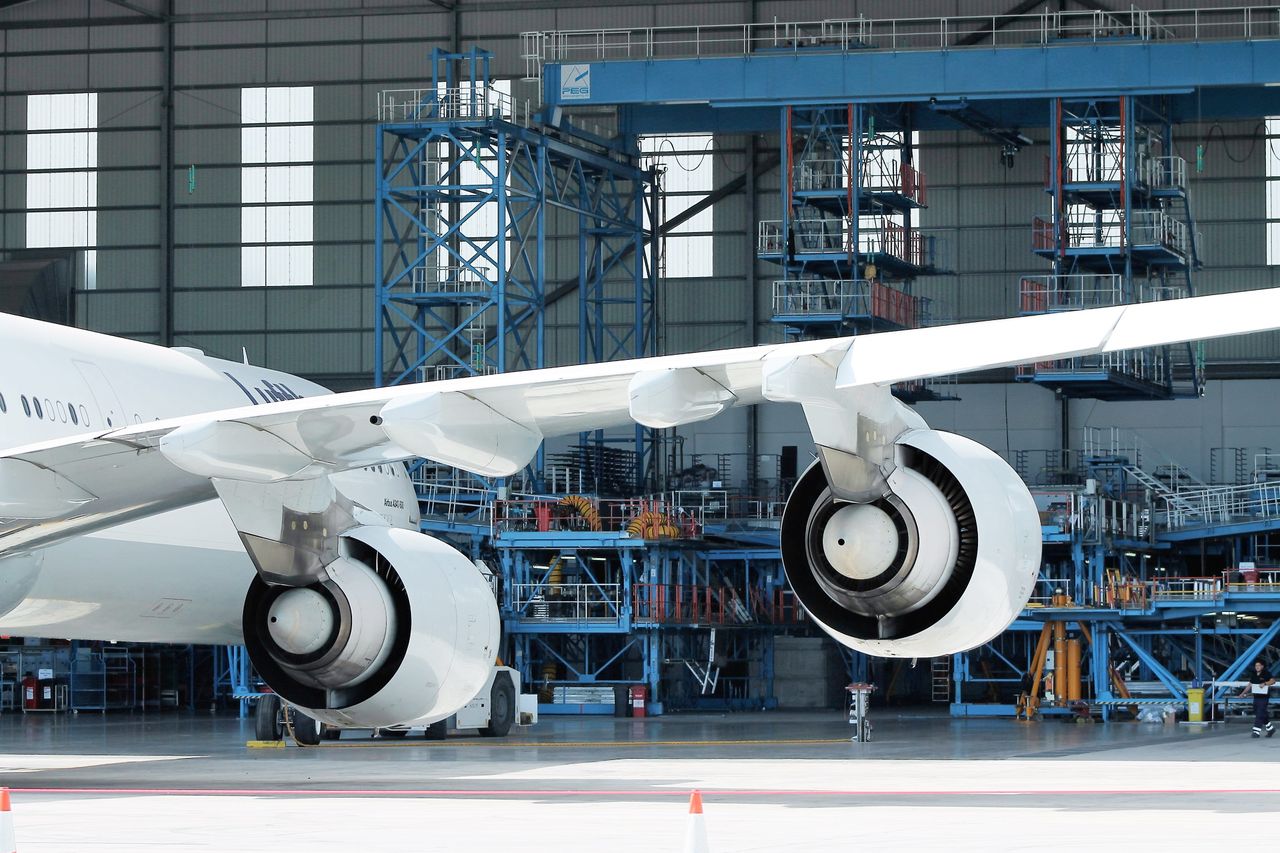
Q1. With aircraft engine MRO bottlenecks continuing to affect parts availability and turnaround times, what industry-level signals have you seen that indicate where the biggest supply constraints are emerging?
In my experience, one of the first signs of supply constraints is when the gap between what customers need and how quickly the supply chain can recover parts starts to widen. This is especially noticeable in the aerospace aftermarket, where demand can shift rapidly—such as when more aircraft are flying or an airline suddenly needs more parts due to unexpected removals.
Repair Turnaround Times
One clear red flag is when repair turnaround times start to grow. If repair shops are juggling more work-in-progress, facing longer inspection lines, or having trouble getting replacement parts, these delays quickly ripple through to the customer supply chain. Parts that used to have reliable repair cycles can suddenly be out of action for weeks or even months. That puts extra strain on pools of serviceable components and pushes companies to rely more on exchanges, loans, or other alternatives.
Low Inventory
Another warning sign is seeing the same part numbers come up as "nil stock" or low inventory again and again. Even a small uptick in removals …
Create an account to continue reading
Create AccountAlready have an account? Sign in
Need an expert in this space?
Talk to an Industry Expert
Knowledge Ridge connects decision-makers with carefully vetted subject matter experts for one-on-one calls, research sprints, and advisory engagements — across 11 sectors and 163 sub-industries globally.
Comments
No comments yet. Be the first to comment!