
Biogas Cleaning For Efficient Energy Production
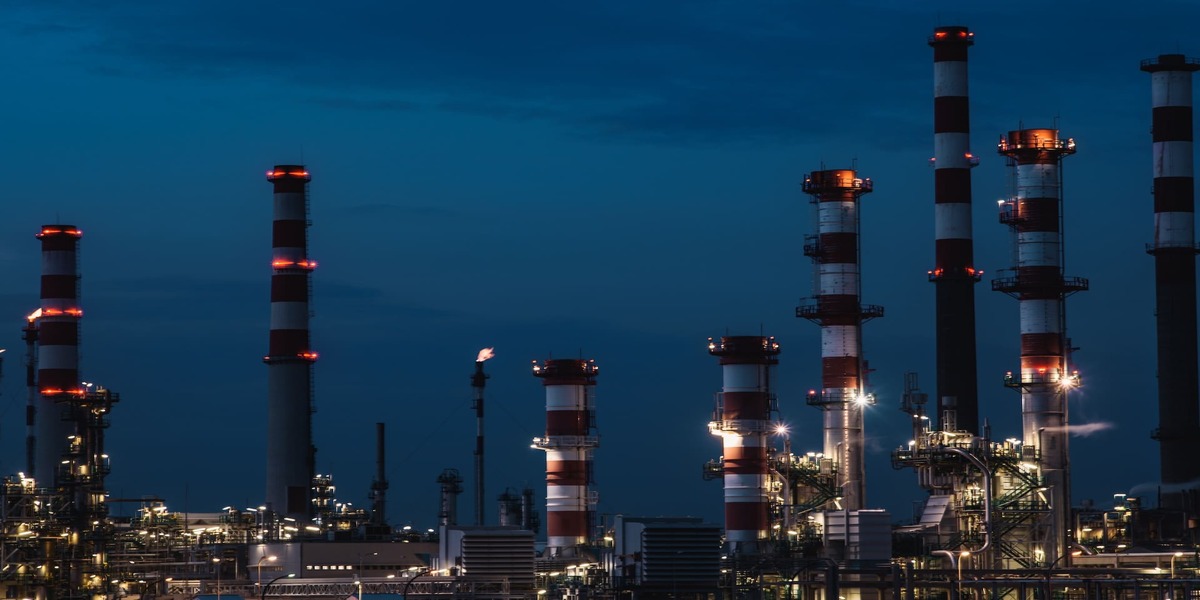
Biogas is a gas mixture formed mainly by methane (CH4), carbon dioxide (CO2), N2, O2, H2, and traces of other components such as H2S, water vapor, siloxanes, and hydrocarbons. All these traces are dangerous to its use or application. Therefore, it is considered a dirty gas that requires prior cleaning for energy production or as a raw material for Biomethane, H2, or Methanol production.
Currently, according to its production manner or source, we can find:
- Biogas-Uncontrolled Process- Examples: Landfills, lakes, or swamps
- Biogas-Controlled Process- Example: WWTPs
Cleaning Techniques for Biogas
The biogas. Whatever its origin, it is a dirty gas. In biogas, two types of impurities can be distinguished that must be removed for the good work of the facility.
External Impurities
External impurities are not part of the biogas flow. This must be the first to be removed. These are generally removed by mechanical operations such as filtration and/or change in the dimension or direction of biogas flow. Examples. Sediments, foams, particles, and condensates. These impurities are mainly found in the biogas stream, leaving the digester, mainly in WWTP. This biogas cleaning is defined as Gross removal.
Internal Impurities
Internal impurities are part of the biogas flow. They are usually the last to be removed. Physical, chemical, biological techniques, or a combination of them, are used for their removal. Examples: Water vapor, siloxanes, hydrocarbons, NH3, or H2S. This biogas cleaning is defined as Fine removal or polishing.
This article was contributed by our expert Joaquín Reina Hernández
Frequently Asked Questions Answered by Joaquín Reina Hernández
Q1. What kind of internal impurities are found in the biogas flow?
Water vapor or humidity
Water vapor drastically decreases the LHV of biogas. It favors corrosive acid production, such as sulfidic acid (H2S) aq. Its accumulation causes blockage in the pipes and ice formation.
Hydrocarbons
Halogenates, particularly those with Chlorine and Fluorine, cause corrosion in different parts of the machines involved in power generation.
The heavy ones in high concentrations fail to work in the engine, as well as they are the cause of the presence of aldehydes in the exhaust gases of the engines.
Hydrogen sulphide (H2S) g
Corrosion in engines, machines, equipment, and parts. Formation of other acids. SO2, SO3, and H2SO4 contaminate lubricating oil.
Siloxanes
Inlays on internal engine parts Increased clearance of moving parts. Lubrication oil leaks or loss Lubrication oil.
Q2. What are the different types of equipment for biogas drying?
Currently, there are two basic types of equipment in the biogas drying market, according to the position of the heat exchanger. They are the horizontal position and the vertical position.
The vertical biogas drying equipment presents the following advantages.
- Less space requirement
- Better removal of the condensates
- Less probability of tube freezing when working at low temperatures
- Better heat transfer coefficients
- Greater effectiveness in removing moisture and other contaminants
Q3. What are the different types of chillers?
The core of these biogas drying facilities is the cooling machine (chiller).
- It is who generates the cooling medium for heat exchange with biogas
- It is the only energy consumer in the facility
Q4. What are economizers or energy recovery systems?
Economizers or energy recovery systems are used to minimize the energy consumption of the chiller. They are often used in biogas drying equipment. These are typically used under the following conditions.
- High biogas flow > 500 Nm3 /h
- High biogas temperature > 45 ºC
A good design of this equipment allows recovery of up to 30% of the energy of the drying system. Therefore, the OPEX of the drying equipment is reduced.
Comments
No comments yet. Be the first to comment!