
Cybersecurity Compliance in Oil & Gas
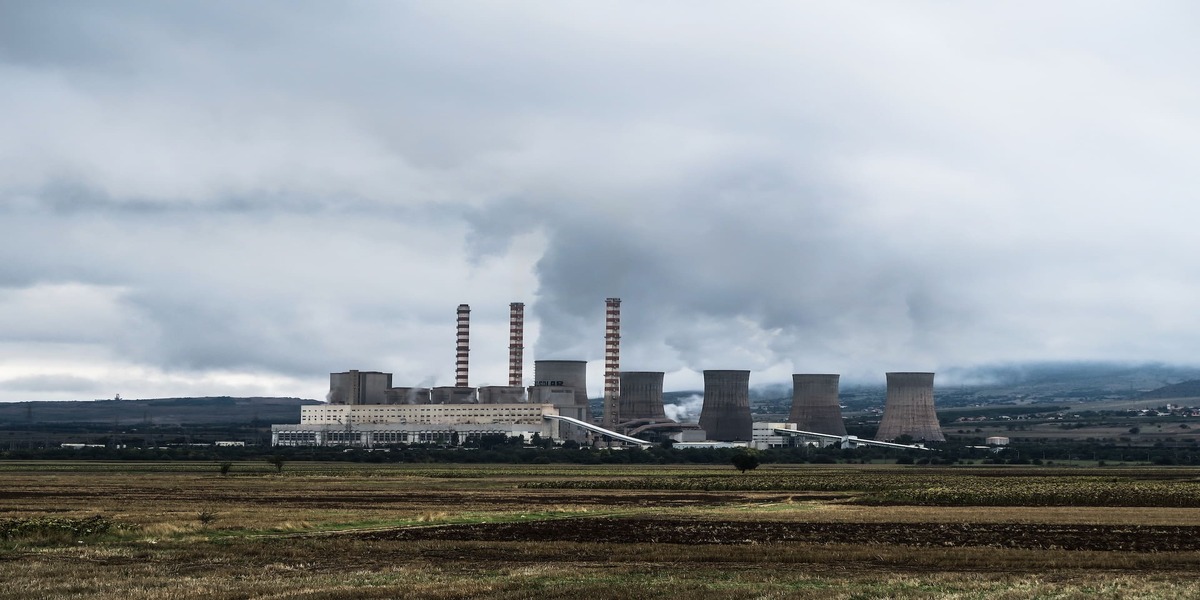
Establishing a compliance program is essential for oil and gas companies to stay updated on evolving cybersecurity regulations and compliance requirements.
Here are the main steps to establish a compliance program:
Identify Applicable Regulations and Standards
Examples include regulations from government bodies, industry-specific guidelines, and international standards like ISO 27001 or NIST Cybersecurity Framework.
Understand Compliance Requirements
Analyze their provisions, obligations, and recommendations to gain a clear understanding of what needs to be achieved to comply with them.
Assign Compliance Responsibilities
Clearly define roles and responsibilities, including monitoring regulatory changes, conducting assessments, implementing controls, and ensuring ongoing compliance.
Conduct a Compliance Gap Assessment
Perform a comprehensive assessment to identify the gaps between the current cybersecurity practices of the organization and the requirements outlined in the relevant regulations and standards.
Develop Policies and Procedures
Establish cybersecurity policies and procedures that align with the identified regulations and standards. These policies should outline specific control objectives, guidelines, and processes to ensure compliance.
Implement Controls and Safeguards
Implement technical and organizational controls to meet compliance requirements.
Training and Awareness Programs
Develop and implement training and awareness programs to educate employees about cybersecurity regulations, compliance requirements, and their responsibilities in maintaining compliance.
Establish Monitoring and Auditing Mechanisms
Establish monitoring and auditing mechanisms to track compliance with regulations and internal policies.
Incident Response Planning
Develop a comprehensive incident response plan that aligns with the compliance requirements.
Regular Reviews and Updates
Continuously review and update the compliance program to align with evolving cybersecurity regulations and industry best practices.
External Validation and Audits
Consider engaging external auditors or consultants to conduct independent assessments and audits of the compliance program.
Frequently Asked Questions
1. What monitoring and auditing mechanisms should be established to track and assess compliance with cybersecurity regulations in the oil and gas industry?
Monitoring and auditing mechanisms are crucial in tracking and assessing compliance with cybersecurity regulations in the oil and gas industry. Here are some mechanisms that should be established:
Continuous Monitoring Systems
Continuous monitoring systems help track and analyze network activities, security events, and vulnerabilities in real time. These systems can include Intrusion Detection Systems (IDS), Security Information and Event Management (SIEM) solutions, and Network Behavior Analysis (NBA) tools.
Security Information and Event Management (SIEM)
SIEM tools provide centralized logging, correlation, and analysis of security events across the organization's IT infrastructure. SIEM platforms collect and analyze log data from various sources, such as firewalls, servers, and network devices, to detect and respond to security incidents.
Vulnerability Assessments and Penetration Testing
Regular vulnerability assessments and penetration testing should be conducted to identify weaknesses and potential entry points for attackers. These assessments involve scanning systems, networks, and applications to uncover vulnerabilities and simulate real-world attack scenarios.
Configuration Management
Maintaining an up-to-date inventory of hardware and software assets and accurate configuration information is essential. Configuration management tools help ensure systems are properly configured, patched, and compliant with security standards.
Log Monitoring and Analysis
Collecting, monitoring, and analyzing logs from various systems and devices can provide insights into security incidents and potential threats. Automated log analysis tools can help identify anomalies, suspicious activities, or patterns that indicate a security breach.
Access Controls and User Activity Monitoring
Strong access controls, such as multi-factor authentication, role-based access controls, and privileged access management, can help prevent unauthorized access. User activity monitoring tools can track and analyze user behavior, helping to detect and respond to suspicious activities.
Incident Response and Forensics
Establishing an incident response plan is critical to respond to and recover from cybersecurity incidents effectively. This includes defining roles and responsibilities, establishing communication channels, and conducting post-incident analysis to identify the root cause and prevent similar incidents in the future.
Third-Party Audits
Engaging independent third-party auditors to assess compliance with cybersecurity regulations can provide an unbiased evaluation. These audits can evaluate the effectiveness of security controls, identify gaps, and recommend remediation measures.
Regulatory Compliance Management
Implementing a robust regulatory compliance management system helps track and ensure adherence to cybersecurity regulations specific to the oil and gas industry. This system can include regular compliance assessments, documentation management, and reporting to regulatory authorities.
Training and Awareness Programs
Continuous employee training and awareness programs are crucial to ensure compliance with cybersecurity regulations. These programs should cover topics such as safe online practices, phishing awareness, and data protection to foster a security-conscious culture within the organization.
It is important to note that specific monitoring and auditing mechanisms may vary based on the organization's size, specific cybersecurity risks, and applicable regulatory requirements.
2. What are the specific challenges or considerations should oil and gas companies be aware of when establishing a cybersecurity compliance program?
When establishing a cybersecurity compliance program in the oil and gas industry, there are several specific challenges and considerations that companies should be aware of:
Complex and Diverse IT Infrastructure
Oil and gas companies often have complex and diverse IT infrastructures, including various systems, devices, and networks spread across multiple locations. Managing cybersecurity in such environments can be challenging, requiring comprehensive visibility and control over the entire infrastructure.
Legacy Systems and Equipment
The industry relies on legacy systems and equipment that may lack built-in security features or may be difficult to patch and update. Securing these older systems and ensuring their compatibility with modern security controls can pose significant challenges.
Critical Infrastructure Protection
The oil and gas industry is part of critical infrastructure, and any disruption to operations can have severe consequences. Protecting critical infrastructure against cyber threats requires robust security measures to prevent unauthorized access, data breaches, and sabotage.
Remote and Distributed Operations
Oil and gas operations often span remote and geographically dispersed locations, including offshore platforms, remote drilling sites, and pipelines. Securing these remote operations and ensuring reliable connectivity while maintaining security can be challenging, especially when dealing with limited bandwidth and connectivity options.
Third-Party Risks
Oil and gas companies work with numerous third-party vendors and contractors, which can introduce additional cybersecurity risks. It is essential to ensure third-party suppliers adhere to cybersecurity best practices and meet the required security standards to protect sensitive data and systems.
Regulatory Compliance
The oil and gas industry are subject to various cybersecurity regulations and standards, such as the NIST Cybersecurity Framework, the EU Network and Information Security (NIS) Directive, and industry-specific regulations. Keeping up with evolving regulations and ensuring compliance can be complex and resource intensive.
Cyber-Physical Convergence
The oil and gas industry has a growing convergence of digital systems and physical infrastructure. Cyber-physical systems, such as Industrial Control Systems (ICS) and Supervisory Control and Data Acquisition (SCADA) systems, are potential targets for cyber-attacks. Securing these systems requires specialized knowledge and technologies.
Human Factors and Training
Employees at all levels must be aware of cybersecurity risks and follow best practices. However, educating and training a large and diverse workforce can be challenging. Ensuring employees understand their roles and responsibilities in cybersecurity is crucial to mitigating human error and minimizing insider threats.
Threat Landscape
The oil and gas industry faces a wide range of cyber threats, including targeted attacks, ransomware, insider threats, and nation-state-sponsored attacks. Staying informed about the evolving threat landscape and adopting proactive security measures is essential.
Incident Response Readiness
Having a well-defined and tested incident response plan is crucial in the event of a cybersecurity incident. Oil and gas companies must establish clear processes, define roles and responsibilities, and conduct regular drills and simulations to ensure preparedness.
Addressing these challenges requires a comprehensive approach to cybersecurity, including strong governance, risk assessment, threat intelligence, security controls, and ongoing monitoring and assessment of compliance with cybersecurity regulations. Engaging with industry peers, sharing information, and collaborating is important to enhance cybersecurity practices across the sector.
3. What are the recent and emerging cybersecurity regulations that oil and gas companies must be aware of and comply with?
Oil and gas companies must stay updated on cybersecurity regulations to ensure compliance with evolving requirements. Here are some recent and emerging cybersecurity regulations that are relevant to the industry:
NIST Cybersecurity Framework (CSF)
Although not a regulation, the NIST CSF provides a widely adopted framework for improving cybersecurity risk management across various industries, including oil and gas. It offers guidelines and best practices to help organizations assess and enhance their cybersecurity posture.
EU Network and Information Security (NIS) Directive
The NIS Directive is an EU-wide regulation that aims to enhance the cybersecurity and resilience of critical infrastructure sectors, including oil and gas. It mandates implementing appropriate security measures, incident reporting, and cooperation with competent authorities.
EU General Data Protection Regulation (GDPR)
While not specific to cybersecurity, the GDPR imposes strict requirements on protecting personal data, including data collected by oil and gas companies. Compliance with GDPR involves implementing appropriate security measures, obtaining consent, and managing data breaches.
North American Electric Reliability Corporation (NERC) Standards
NERC sets mandatory cybersecurity standards for the North American electric power industry, including oil and gas companies operating in the electricity generation, transmission, and distribution sectors. Compliance with NERC CIP (Critical Infrastructure Protection) standards is required to ensure the security of critical energy infrastructure.
Pipeline and Hazardous Materials Safety Administration (PHMSA) Regulations
PHMSA regulates the safety and security of oil and gas pipelines in the United States. It requires pipeline operators to implement cybersecurity measures to protect against threats and vulnerabilities that could impact pipeline operations.
Cybersecurity and Infrastructure Security Agency (CISA) Guidelines
CISA, part of the U.S. Department of Homeland Security, provides voluntary guidelines and resources to enhance the cybersecurity posture of critical infrastructure sectors, including oil and gas. Companies can refer to CISA's guidelines for implementing effective security controls and incident response practices.
Industry-Specific Standards
Some industry-specific organizations and standards bodies develop cybersecurity guidelines tailored to the oil and gas sector. For example, the American Petroleum Institute (API) has published recommended practices, such as API 1164, for pipeline industry cyber security.
Oil and gas companies need to monitor regulatory developments in the countries where they operate and international regulations that may impact their operations. Compliance with these regulations helps protect critical infrastructure, safeguards sensitive data, reduces the risk of cyber incidents, and demonstrates a commitment to cybersecurity best practices.
4. How can oil and gas companies leverage external expertise or independent assessments to enhance the accuracy and objectivity of their cybersecurity gap assessment?
Oil and gas companies can leverage external expertise and independent assessments to enhance the accuracy and objectivity of their cybersecurity gap assessments in several ways:
Engage Third-Party Security Consultants
Hiring external cybersecurity consultants or firms with oil and gas industry expertise can provide an independent perspective. These experts can conduct thorough assessments, identify vulnerabilities, and make recommendations based on their specialized knowledge and experience.
Perform Penetration Testing and Red Team Exercises
Engaging third-party penetration testing services or conducting red team exercises can help identify potential weaknesses and gaps in the organization's cybersecurity defenses. These assessments simulate real-world attack scenarios and provide valuable insights into the effectiveness of existing security measures.
Conduct Independent Audits
Independent audits by qualified cybersecurity auditors can evaluate the effectiveness of an organization's cybersecurity controls and assess compliance with applicable regulations and industry standards. These audits provide an objective assessment of the company's cybersecurity posture.
Participate in Information Sharing and Collaboration Initiatives
Oil and gas companies can collaborate with industry peers, industry-specific cybersecurity organizations, and government agencies to share information and best practices. These initiatives foster knowledge exchange, enable benchmarking against industry standards, and provide access to expertise and insights from a broader community.
Engage with Regulatory Authorities
Interacting with regulatory authorities overseeing cybersecurity compliance in the oil and gas industry can provide guidance and clarification on specific requirements. Companies can seek their input and engage in discussions to ensure their assessments align with regulatory expectations.
Utilize Standards and Frameworks
Adopting established cybersecurity standards and frameworks, such as the NIST Cybersecurity Framework or ISO 27001, provides a structured approach to assessing cybersecurity gaps. These frameworks offer guidance on risk assessment, control implementation, and monitoring practices, enhancing the accuracy and objectivity of the assessment process.
Establish Governance and Oversight Committees
Creating governance and oversight committees comprising internal and external stakeholders can provide more objective. These committees can review and validate the cybersecurity gap assessment process, ensuring it remains unbiased and aligned with industry best practices.
By leveraging external expertise and independent assessments, oil and gas companies can benefit from fresh perspectives, specialized knowledge, and unbiased evaluations. These measures help to identify blind spots, validate existing security controls, and enhance the accuracy and objectivity of cybersecurity gap assessments. Ultimately, this contributes to developing robust cybersecurity strategies and mitigation plans.
Comments
No comments yet. Be the first to comment!