
Georgia's Energy Sector 2026: Where the Real Value Lies
What makes an energy investment commercially viable, and how can investors distinguish long-term opportunities from projects exposed to shifting market conditions? In Georgia's evolving energy landscape, answering these questions requires more than understanding generation capacity—it demands a close examination of economics, infrastructure, financial returns, and policy dynamics. Bringing this perspective is Aleksi Kochlashvili, an accomplished economist and financial analyst with a strong academic foundation in economics and mathematics. His diverse experience across energy economics, banking, railway finance, government institutions, and academic research gives him a multifaceted understanding of market behaviour and investment dynamics. With expertise in econometrics, statistical analysis, cost-benefit assessment, and discounted cash flow modelling, Aleksi has evaluated energy markets, assessed the commercial viability of energy efficiency projects, and advised businesses and public-sector stakeholders on complex economic decisions. The article examines the investment opportunities emerging in Georgia's energy sector, the assumptions that determine long-term project viability, and the economic implications of renewable energy expansion. It explores why grid infrastructure, system flexibility, and energy efficiency matter, while examining how investors should assess cash flow stability, market exposure, and policy uncertainty. For investors and energy industry stakeholders, these insights offer a framework for identifying viable opportunities, evaluating project economics, and understanding what could shape Georgia's next phase of energy development.
Q1. From your experience analyzing energy markets, where do you see the most attractive investment opportunities as electricity demand and infrastructure needs grow?
Based on my work with energy sector projects in Georgia, I believe the best investment opportunities aren't just in building new generation capacity, but also in the infrastructure needed to connect and integrate that capacity smoothly into the electricity system.
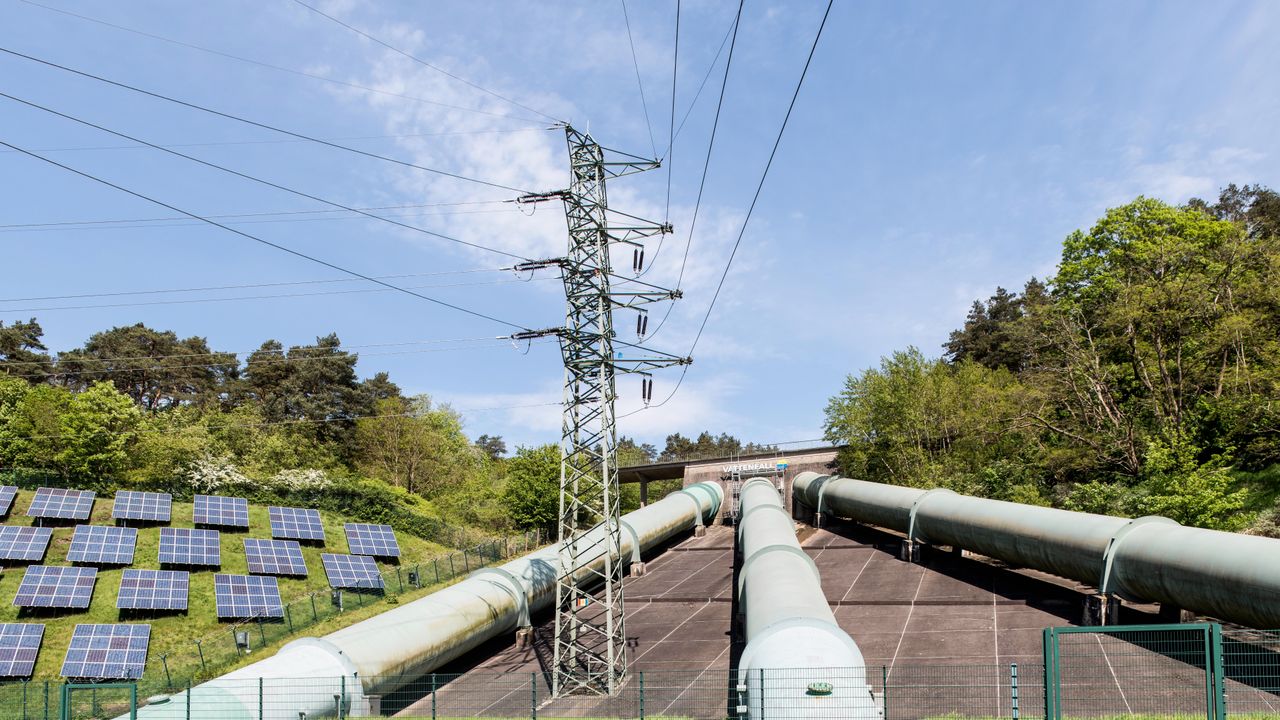
For Georgia, this means renewable generation—especially hydro, solar, and wind—remains a priority. But I’d also emphasize the importance of transmission and distribution infrastructure, grid modernization, and projects that boost system flexibility. As more renewables come online, investments that help manage variability and ease network constraints are becoming even more valuable.
I’m also interested in opportunities within energy-intensive industries and commercial projects, where investing in energy efficiency can lower operating costs and make businesses more competitive. In Georgia, it’s important to evaluate investments not just on the basis of expected electricity demand growth, but also on their ability to handle seasonality, price volatility, grid connection costs, and regulatory risks.
Q2. Having worked on DCF and cost-benefit analysis, what assumptions matter most when assessing the long-term commercial viability of an energy project?
From what I've seen, the assumptions that …
Create an account to continue reading
Create AccountAlready have an account? Sign in
Need an expert in this space?
Talk to an Industry Expert
Knowledge Ridge connects decision-makers with carefully vetted subject matter experts for one-on-one calls, research sprints, and advisory engagements — across 11 sectors and 163 sub-industries globally.
Comments
No comments yet. Be the first to comment!