
About Us
Premium Insights
Expert Views
Compliance
Experts
Careers
Contact Us
Our Expert Views content provides the ideal narrative for businesses, subject matter experts, and those interested in the expert network industry's latest trends and talking points. These in-depth perspectives cover various industries, business verticals, sectors, and regions, supporting our global clientele.

Senior Product Manager in the Retail Industry
NK is a seasoned leader in supply chain and product management, with over 12 years of experience in supply chain operations, digital transformation, and technology-driven product development in the retail industry. His expertise includes inventory planning, demand forecasting, and optimizing supply chain efficiency through data-driven solutions. In this article, NK examines how artificial intelligence is changing the landscape of supply chain management. Drawing on his extensive background, he highlights where AI delivers the most value—such as forecasting, exception detection, and inventory replenishment—especially when integrated into existing workflows and supported by strong data foundations. NK also stresses the importance of balancing automation with human judgment for decisions involving high stakes or unfamiliar situations. Readers will benefit from NK’s practical insights, learning how AI can help organizations improve accuracy, efficiency, and resilience in their supply chains. The article is especially helpful for business leaders and investors seeking to identify companies that leverage AI not just for pilots, but to drive real, measurable results in daily operations.

Cloud Engineer
Pinar Dasdemir is a Senior DevOps & Cloud Engineer with over five years of experience managing complex cloud environments across AWS, GCP, and Azure. Her hands-on expertise covers Kubernetes, Terraform, CI/CD automation, Platform Engineering, and Site Reliability Engineering (SRE), making her a trusted authority in designing secure, scalable, and highly available infrastructure. In this article, readers will gain actionable insights into building and operating robust multi-cloud platforms. Drawing from Pinar’s extensive experience, the article explores proven strategies for automating infrastructure with Terraform, deploying and managing Kubernetes at scale, and establishing effective GitOps workflows. It covers best practices for monitoring and observability using industry-standard tools like Datadog, Grafana, and Prometheus, as well as methods for incident response and implementing DevSecOps principles to safeguard infrastructure. The article also delves into optimizing cost and performance in cloud-native environments, emphasizing operational discipline—such as right-sizing resources, automating with CI/CD pipelines, and creating reusable modules. Pinar’s SRE philosophy is highlighted, focusing on actionable observability, intelligent alerting, and blameless incident reviews to foster continuous improvement. Whether you are an engineer aiming to enhance deployment speed, a platform owner looking to boost system reliability, or a leader navigating the challenges of cloud modernization, this article offers practical frameworks and real-world lessons. Readers will come away with a holistic understanding of how to build secure, reliable, and cost-effective cloud platforms that empower teams to innovate with confidence.

Mechanical expert
As AI workloads drive higher rack densities and intensify demands on data center infrastructure, cooling efficiency is becoming a critical factor in operational performance, energy consumption, and long-term investment decisions. Shivakumar Vaidyanathan brings a multidisciplinary perspective to this challenge, combining expertise in mechanical engineering, MEP systems, sustainability, and data center services. Drawing on his experience in global data center services at Kyndryl and his work across commercial and industrial cooling environments, he offers practical insight into designing, operating, and optimizing cooling infrastructure. His expertise in AI/ML-based equipment performance modelling and IIoT also provides a valuable lens on how intelligent technologies can improve energy efficiency and support more sustainable operations. The article examines the key decisions shaping AI-ready data center cooling, including when air or liquid cooling is better suited to different rack densities, operating conditions, and site requirements. Mr. Vaidyanathan explores the practical challenges that can undermine performance and increase costs, from hydraulic complexity and evolving GPU requirements to inadequate sensor infrastructure and unreliable operational data. He also discusses how AI/ML-driven optimization can improve cooling performance, maintenance planning, and energy use, alongside strategies for reducing water consumption and meeting sustainability goals across diverse operating environments. For data center operators, infrastructure leaders, and investors, the article offers a grounded perspective on evaluating cooling technologies beyond headline efficiency claims. It highlights the importance of adaptable infrastructure, sound engineering decisions, and measurable operational outcomes in determining whether cooling investments can support future AI workloads without creating costly retrofits or unsustainable resource demands.
Senior Director, Product Engineering
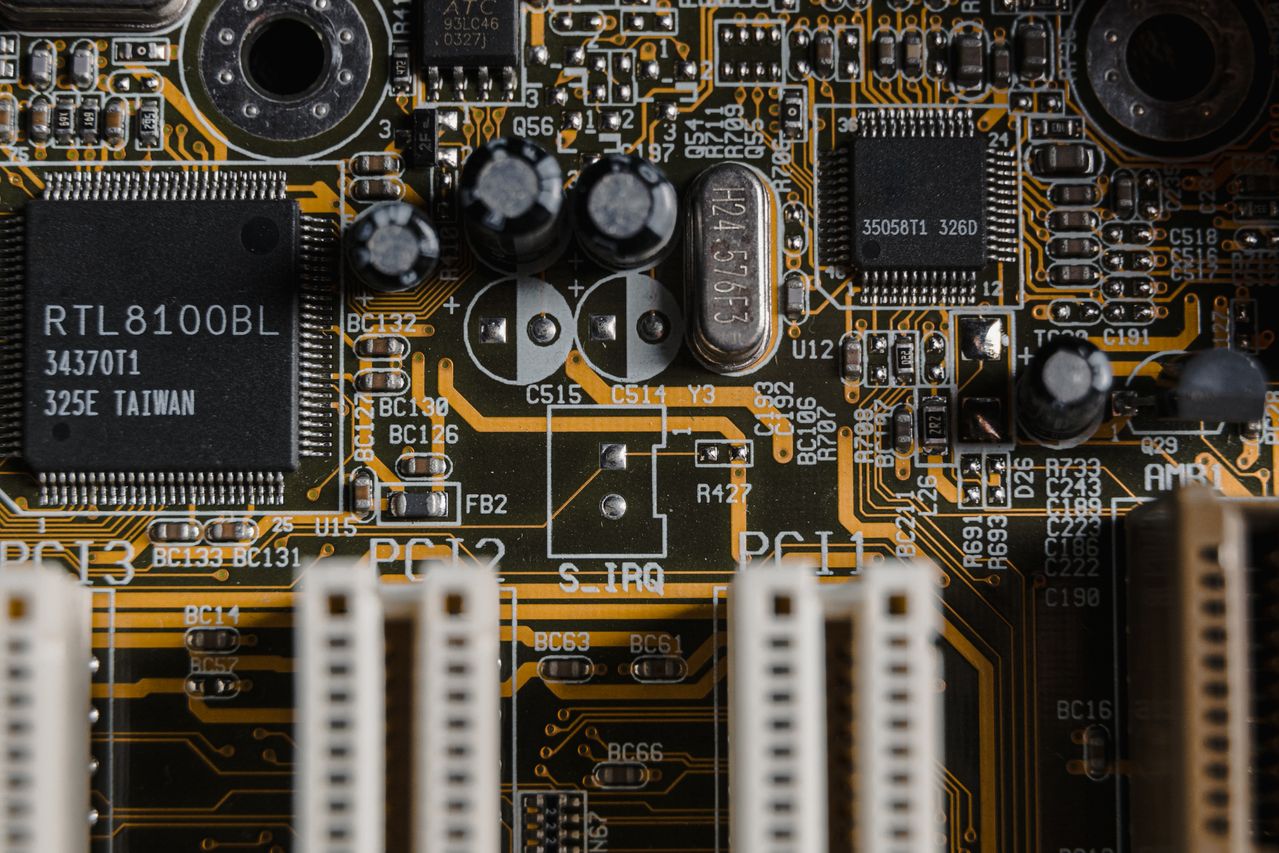
Amit Goldie, Senior Director of Product Engineering at Synopsys, brings extensive experience in semiconductor verification technology, electronic design automation (EDA), and product engineering. He oversees engineering for verification products spanning static verification, low-power design, constraints, and simulation, supporting a technology portfolio valued at over $500 million. His expertise also covers RISC-V ecosystem partnerships, cloud-based verification solutions, power optimization, and machine learning applications for improving product debuggability. With experience in global team leadership, enterprise customer engagement, and go-to-market strategy, alongside authorship of more than 30 technical papers, he brings both technical depth and commercial perspective to the evolving semiconductor landscape. Drawing on this experience, Amit explores how agentic AI, RISC-V architectures, and cloud-based EDA are reshaping semiconductor design and verification. The article examines how AI-driven workflows can automate routine verification and debugging tasks, how customizable RISC-V architectures increase the importance of rigorous verification, and how cloud infrastructure enables scalable simulation and faster development cycles. For investors, these developments offer a framework for evaluating opportunities across EDA software, semiconductor design infrastructure, and next-generation verification technologies. The central question is which companies can translate these technological advances into measurable productivity gains, shorter development timelines, and sustainable competitive advantages.

Director for Finance Control, Enterprise Risk Management and Internal Controls
In today’s fast-moving business environment, companies face mounting pressure to balance rapid innovation with robust risk oversight. As AI, automation, and complex supply chains transform operations, the stakes for strong governance, effective internal controls, and agile audit frameworks have never been higher. This article explores how leading organizations are meeting these challenges head-on—preventing costly inventory leakage, contractor overbilling, and other hidden exposures that can threaten investor confidence. We reveal practical strategies for auditing emerging AI workflows, establishing dynamic risk controls, and navigating volatile regulatory landscapes. With real-world examples and actionable frameworks, this guide is essential reading for investors, executives, and audit professionals seeking to safeguard enterprise value while fueling growth. Discover why proactive enterprise risk management is now a strategic imperative—and how organizations that get governance right are positioned to thrive. Unlock the insights you need to make informed decisions and protect your investments in a rapidly evolving market.

Cybersecurity Principal Enterprise Architect
Discover how AI is transforming enterprise security—and why traditional defenses aren’t enough. This article reveals emerging risks, real-world scenarios, and practical strategies for building resilient, human-centered AI architectures. Dive in for expert insights.