
Co-living: A Rising Innovative Housing Concept
As cities grow busier, Co-living is redefining urban living for young professionals. Offering fully furnished spaces, digital rental processes, and a built-in community, it’s more than housing—it’s a lifestyle. Discover how this model blends convenience, connection, and innovation.
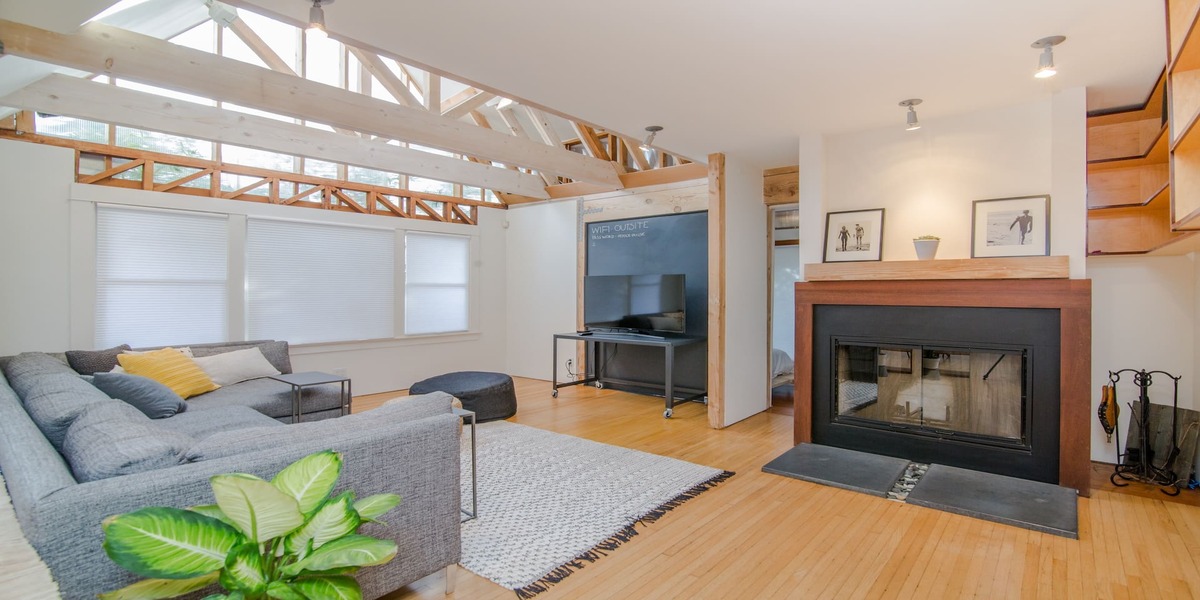
Co-living is a rising asset class in real estate, specifically catering to young professionals from 23 to 35 years old who have recently moved to a new city. It offers a turnkey living experience, differentiating itself from other forms of housing, such as student residences.
Features of Co-living Housing Concept
Co-living provides a convenient solution for those in need of temporary housing. Young professionals can avoid the hassle of furnishing and setting up bills, as Co-living spaces come fully equipped. This allows them to focus on their new jobs and settle into their new environment without additional stress.
This housing concept addresses two key challenges in the real estate market.
Convenient Rental Process
Firstly, it streamlines the rental process using digital platforms, eliminating paperwork and unreliable landlords. Co-living companies offer user-friendly online platforms that simplify the rental experience.
Supportive Community
Secondly, Co-living fosters a sense of community. Moving to a new city can be socially isolating, especially without established networks. Co-living provides an opportunity to meet like-minded individuals and build relationships within a supportive community. With shared common spaces like communal kitchens, play areas, and yoga rooms, residents have ample opportunities for interaction.
Co-living optimizes space by emphasizing densification. While …
Create an account to continue reading
Create AccountAlready have an account? Sign in
Need an expert in this space?
Talk to an Industry Expert
Knowledge Ridge connects decision-makers with carefully vetted subject matter experts for one-on-one calls, research sprints, and advisory engagements — across 11 sectors and 163 sub-industries globally.
Comments
No comments yet. Be the first to comment!