
About Us
Premium Insights
Expert Views
Compliance
Experts
Careers
Contact Us
Our Expert Views content provides the ideal narrative for businesses, subject matter experts, and those interested in the expert network industry's latest trends and talking points. These in-depth perspectives cover various industries, business verticals, sectors, and regions, supporting our global clientele.

Founder & Principal Consultant
With 36 years of leadership experience at UPS, including serving as Vice President of Transportation and Vice President of the Central Zone, this expert has spent decades managing complex logistics operations, leading more than 30,000 employees, and overseeing budgets exceeding $3 billion. Now Founder and Principal Consultant at BT Consulting LLC, he brings a wealth of practical experience in transportation strategy, operational efficiency, safety, compliance, and network performance. In this article, he explores why sustainable cost reduction in transportation and logistics requires more than cutting expenses or improving individual performance metrics. Drawing on his experience, he explains how better asset utilisation, workforce productivity, standardised processes, and smarter use of technology can improve efficiency across an entire network. The discussion also highlights the importance of avoiding cost-shifting between operations, maintaining service and safety standards, and building processes that can withstand seasonal demand and peak-period pressures. For logistics leaders and investors, the article offers a practical perspective on what drives lasting operational improvements, how technology and human judgement complement each other, and why consistency across the network is key to building a more resilient and profitable transportation business.
Order Manager – FlightSense
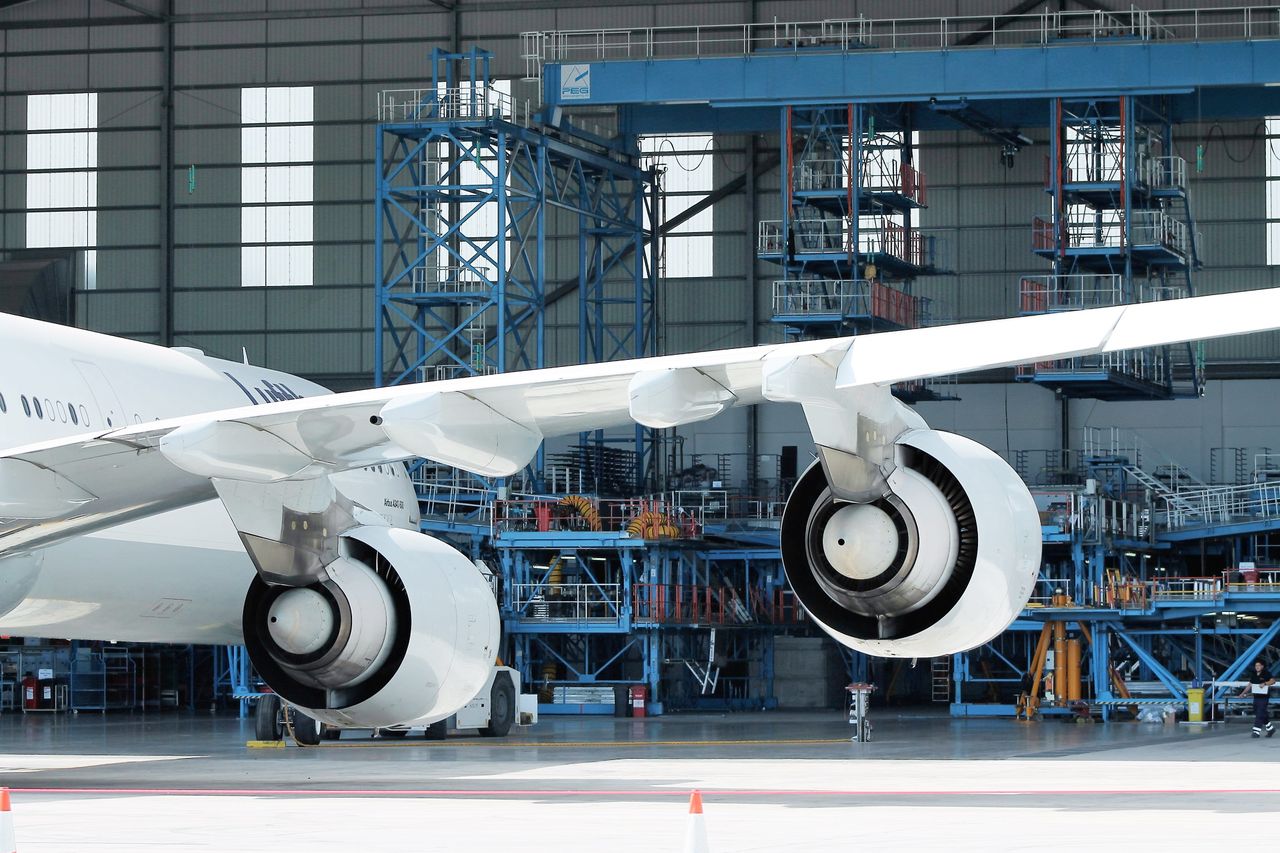
Keeping aircraft flying is not simply a matter of having spare parts in stock. It requires knowing where critical components are, what condition they are in, how quickly they can be repaired, and whether they will be available when operations need them. As aerospace supply chains face persistent parts shortages, repair bottlenecks, and material constraints, particularly involving high-performance nickel superalloys and titanium alloys, traditional inventory strategies are increasingly being put to the test. Drawing on 10 years of experience in the aerospace industry, Sharan Kumar Gopasetty brings valuable insights from across airframe and engine OEM operations, materials engineering, and customer program management. With expertise in aerospace materials, failure investigation, and supply chain execution, alongside his current responsibilities as an Order Manager for FlightSense, Sharan offers a practical perspective on the operational challenges shaping aircraft and engine availability. The article explores why aerospace companies must move beyond simply accumulating inventory towards managing true parts availability. It examines the growing importance of repair capabilities and used serviceable material (USM) in addressing new-part shortages, while highlighting how supplier partnerships, cross-functional collaboration, data-driven decisions, and flexible sourcing strategies can strengthen supply chain resilience. For aerospace manufacturers, airlines, and industry stakeholders, these insights offer a fresh perspective on balancing cost, quality, and operational readiness. More importantly, they reveal why end-to-end visibility, proactive risk management, and supply chain agility are becoming essential to keeping aircraft flying in an increasingly unpredictable global environment.

Co - founder
Larry Burke brings a wealth of hands-on, international sales and marketing experience to the table, with a strong focus on real, practical results. Throughout his career, Larry has led large sales teams, managed millions in revenue, and even launched a UK division for a French company, growing it from nothing to £2.5 million in just three years. Now, as Co-Founder of Victory Management, he’s dedicated to helping sales professionals and leaders level up their skills through practical training, live coaching, and actionable strategies. In this article, Larry breaks down how AI is transforming B2B sales and changing the way businesses connect with today’s more informed buyers. He explores how AI can supercharge pre-call research, enabling sales teams to better understand prospects, anticipate objections, and have more meaningful conversations—while also highlighting why traditional approaches like cold calls and generic pitches don’t cut it anymore. Most importantly, Larry emphasizes that technology alone isn’t the answer. While AI can make everything more efficient, the real secret to sales success is still human: the ability to listen, be emotionally intelligent, adapt, and build genuine relationships is what earns buyer trust and closes deals. Readers will walk away with practical insights on weaving AI into their sales approach—without losing the human touch that drives real connections, stronger conversions, and lasting performance.
Head of Stamping Operations
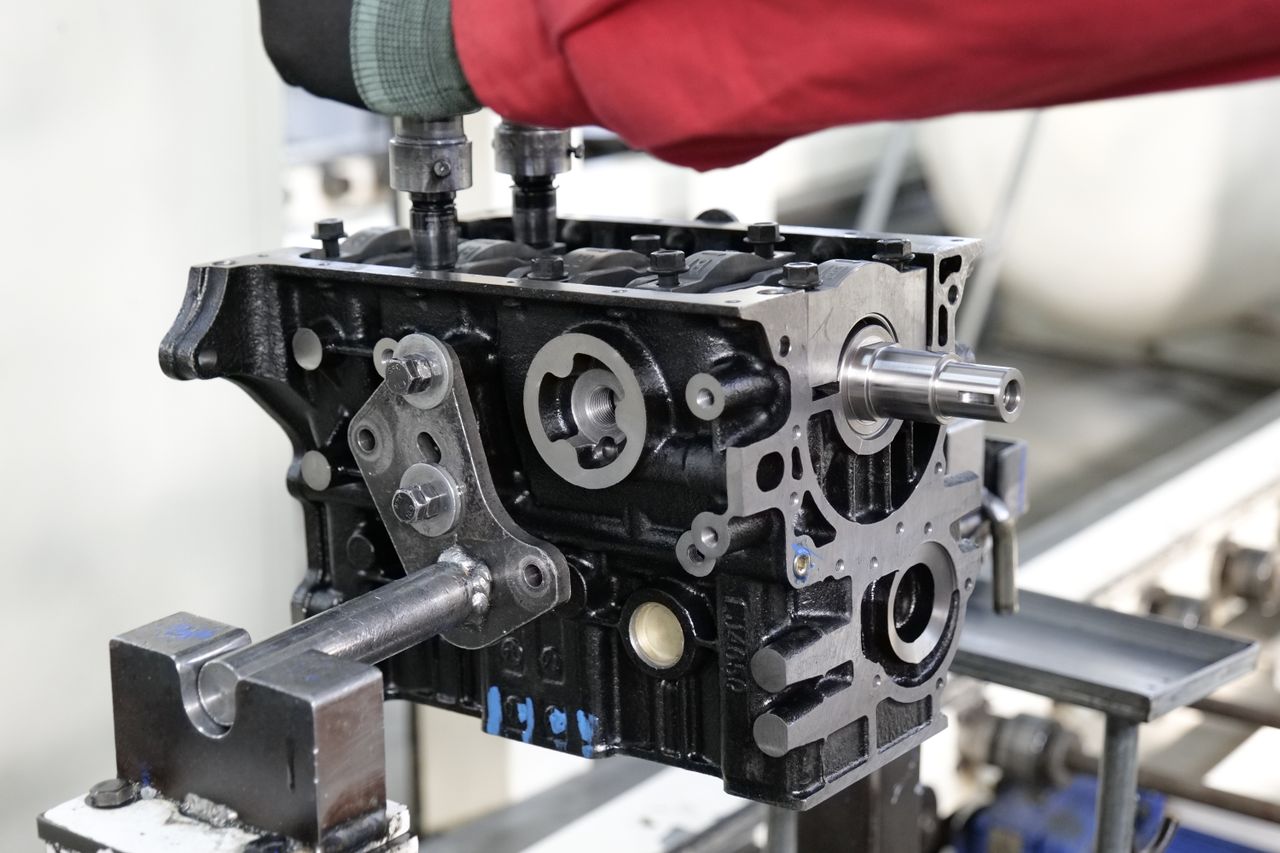
As electrification, miniaturization, and automation reshape automotive and electrical-component manufacturing, the pressure to produce faster, smarter, and with near-perfect precision is intensifying. High-speed stamping has become central to this transformation, enabling the mass production of critical components such as EV connectors, terminals, shielding, and battery parts at speeds exceeding 1,000 strokes per minute. Drawing on the extensive industry experience of Sankar Vellapandian, a seasoned High-Speed Stamping Expert, this article explores how manufacturers can turn these evolving demands into opportunities for operational excellence and competitive growth. With expertise in stamping operations up to 1,500 SPM, progressive tooling, EV connector production, PPAP execution, and process optimization, Sankar offers practical insights grounded in real-world manufacturing challenges. The discussion moves beyond production speed to examine the factors that truly drive performance and profitability—from material utilization and machine selection to robust tool design and Overall Equipment Effectiveness (OEE). It also highlights how digital quality management, automation, workforce skill development, and PPAP readiness can strengthen process reliability, accelerate industrialization, and support zero-defect manufacturing. Looking toward 2027–2030, the article outlines a practical path for manufacturers seeking to optimize costs, improve quality, scale efficiently, and remain competitive in an increasingly demanding market. Ultimately, Sankar’s insights reveal that the future of high-speed stamping is not defined by speed alone, but by the ability to combine precision, productivity, and process discipline to deliver sustainable manufacturing excellence.
Senior Manager- projects and operation head
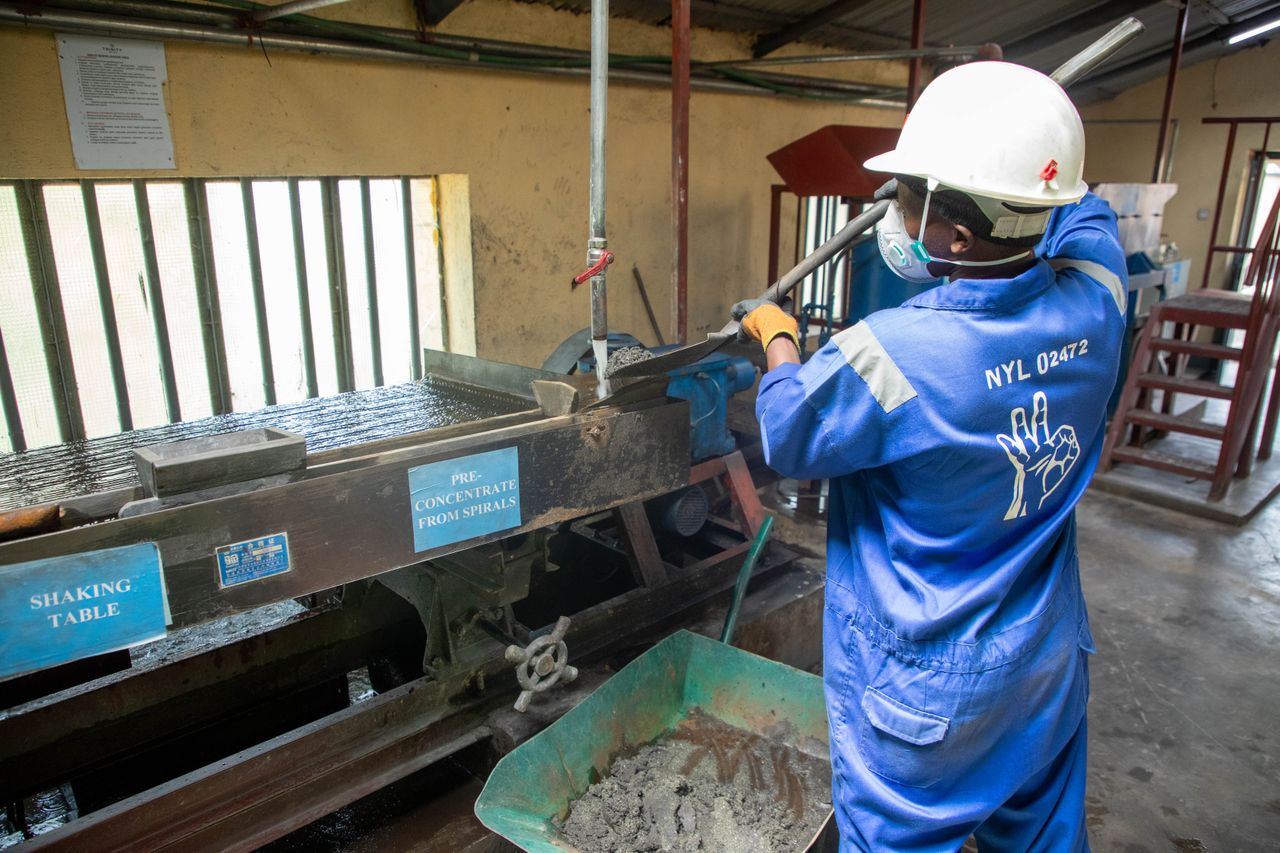
M. G. Shiva Shankara is an iron-ore and raw-material handling professional with over 19 years of experience in the steel and power industries. He brings extensive integrated plant-operation experience, combining raw material handling system (RMHS) operations with beneficiation, material handling, project execution, commissioning, troubleshooting, and operational optimization. Having spent over 17 years at JSW Steel’s Vijayanagar Works and currently serving as Project Head at Resource Pellet Concentrate Pvt. Ltd. (RPCL), part of the BKG Group, he has developed deep expertise in plant performance, cost optimization, process safety, and total quality management. His achievements include commissioning more than 123 conveyors and stabilizing a 5.75 MTPA sinter plant. In this article, Mr. Shankara shares practical insights into improving the efficiency and profitability of iron ore beneficiation, grinding, pelletizing, and material handling operations. He explains why understanding ore characteristics, optimizing grinding circuits, and maintaining consistent feed quality are essential to reliable plant performance. The discussion explores how technologies such as high-pressure grinding rolls (HPGR), ball mills, and tower mills can be aligned with ore properties to improve processing efficiency. The article also examines the trade-offs between pellet quality, plant availability, throughput, and cost per tonne, alongside strategies for reducing material handling bottlenecks, improving equipment reliability, and strengthening maintenance practices. Drawing on his project execution experience, Shankara highlights how early-stage engineering decisions influence long-term operational outcomes. For investors and industry leaders, these insights provide a practical framework for evaluating capacity expansion, capital expenditure, resource efficiency, and sustainable productivity in iron ore processing and steelmaking. The central takeaway is that lasting profitability comes from optimizing the entire process, not simply increasing production capacity.

Assistant Manager
Nitish Kumar is an injection molding professional specializing in hot runner systems, process optimization, and technical support. As Assistant Manager at FIBRO INDIA and Business Development Specialist at ADROIT ERUMTECH HOT RUNNER SYSTEMS, he brings practical expertise in temperature control, troubleshooting, and multi-cavity molding. In this article, Nitish explores how hot runner technology can help manufacturers reduce material waste, shorten cycle times, and improve the economics of injection molding. He explains when the higher initial tooling investment can be justified by long-term operational savings and highlights the importance of balanced manifold design, correct gate placement, uniform temperature control, and stable injection pressure in achieving reliable molding results. The article also examines practical opportunities to reduce scrap, optimize cooling time, and improve productivity through real-time process monitoring and predictive maintenance. Looking ahead, Nitish discusses the hot runner capabilities that will become increasingly important as India’s electric vehicle, electronics, and precision manufacturing sectors expand. Readers will gain practical insights into evaluating hot runner investments, minimizing unplanned downtime, improving production consistency, and making informed decisions that support cost efficiency and long-term manufacturing performance.