Knowledge Ridge

Innovations In Modern Manufacturing

Innovations In Modern Manufacturing

April 14, 2026 3 min read Industrials
Innovations In Modern Manufacturing

Q1. Could you start by giving us a brief overview of your professional background, particularly focusing on your expertise in the industry?

I have solid experience in Supply Chain Management, in both local and international purchasing processes. I have been leading the Local Procurement and SCM Department at Samsung Electronics for over a decade in the TV and Air Conditioner production division. I am very focused on Cost Analysis and Cost Reduction for mechanical and electrical parts.


Q2. With the 2026 pilot rates for CBS and IBS now live, what is the specific delta in the 'Net Effective Tax Rate' for the TV division, and how are you preventing 'Credit Leakage' in the new split-payment e-invoicing model?

I guess CBS 0.9%, and CBS 0.1% for Net effective Tax Rate, and prevention might be done by Payment split at source, Mandatory CBS/IBS fields in invoices, Banking integration, and Real-time reconciliation.


Q3. What is the ROI of transitioning supplier factories to renewable energy under Brazil's 2026 green energy mandates?

Since 2024, when the government launched the green programs on a massive scale, it´s expected to reach 2 trillion BRL in wind, solar, and biomass.


Q4. Why is 2026 the right time to localize the 'blank steel cutting' and 'remote control assembly' processes in Manaus rather than relying on the traditional global supply chain?

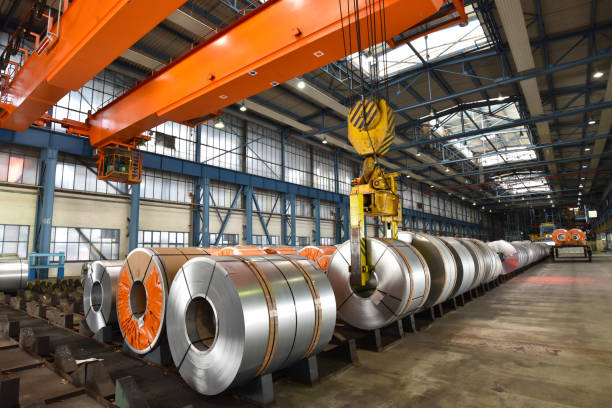
Good Question. I am now leading this project for blank steel. It´s a huge saving because blank steel, which we face a big Container inefficiency with. If we import Coil Steel and cut locally, we save because Steel Coil can load almost 90% of the CNTR payload, while Blank steel can load only 80%. Regarding Remote Control, it is already implemented, and the external cost is lower than the in-house cost due to overhead; for instance, outsourcing uses 3rd-party companies with very low labor costs.


Q5. Given the 2026 volatility of the Brazilian Real, what is the current exchange rate 'inflection point' at which it becomes more profitable to localize the production of adapters and power supplies (SMPS) than to import from Asia?

USD is losing ground, and remote-control adaptors and SMPS can be produced as an outsourcing option. We also have space limitations inside and outside. Vendors can produce in large lots, optimizing costs. Despite that, we receive a government incentive of 7% of the credit.


Q6. How has the integration of AI-driven negotiation agents reduced 'Cost Breakdown' variance across Tier-2 commodity suppliers like Resin and Steel, and what is the projected EBITDA impact for FY2026?

It´s only in the study phase; I think it will get stronger over the next 2 years.


Q7. If you were an investor looking at companies within the space, what critical question would you pose to their senior management?

I would strongly recommend automating manufacturing to reduce manpower and to tightly control inventory turnover to remain competitive in the market. 


Comments

No comments yet. Be the first to comment!

Newsletter

Stay on top of the latest Expert Network Industry Tips, Trends and Best Practices through Knowledge Ridge Blog.

Our Core Services

Explore our key offerings designed to help businesses connect with the right experts and achieve impactful outcomes.

Expert Calls

Get first-hand insights via phone consultations from our global expert network.

Read more →

B2B Expert Surveys

Understand customer preferences through custom questionnaires.

Read more →

Expert Term Engagements

Hire experts to guide you on critical projects or assignments.

Read more →

Executive/Board Placements

Let us find the ideal strategic hire for your leadership needs.

Read more →