Knowledge Ridge

Shaping the Future of Industrial Safety

Shaping the Future of Industrial Safety

July 14, 2026 8 min read Industrials
#Industrial Risk, Regulatory, Safety Regulations
Shaping the Future of Industrial Safety

Q1. Could you start by giving us a brief overview of your professional background, particularly focusing on your expertise in the industry?

With over 36 years of leadership, I have dedicated my career to industrial safety, enterprise risk management, regulatory compliance, and governance within the pharmaceutical, chemical, engineering, and infrastructure industries. I’ve held leadership roles at Zydus Life Sciences, Tata Chemicals, Birla VXL, and now serve as a Senior Safety Consultant for major infrastructure projects.

My experience goes well beyond meeting statutory requirements. Over the years, I’ve worked hands-on with DuPont Safety Management Systems, Behaviour-Based Safety, HAZOP, Process Safety Management, Emergency Preparedness, ESG integration, contractor safety, and audit assurance. For me, safety isn’t just another operational task—it’s a core governance responsibility that safeguards people, ensures business continuity, protects reputation, and upholds shareholder value.

As I work toward becoming an Independent Director, my goal is to help boards take a proactive approach—strengthening oversight, staying ahead of emerging risks, and building organisational resilience. I’m committed to fostering long-term, sustainable value by championing ethical leadership and strong governance.


Q2. What structural shifts are redefining industrial risk management across manufacturing, chemical, and pharmaceutical sectors today?

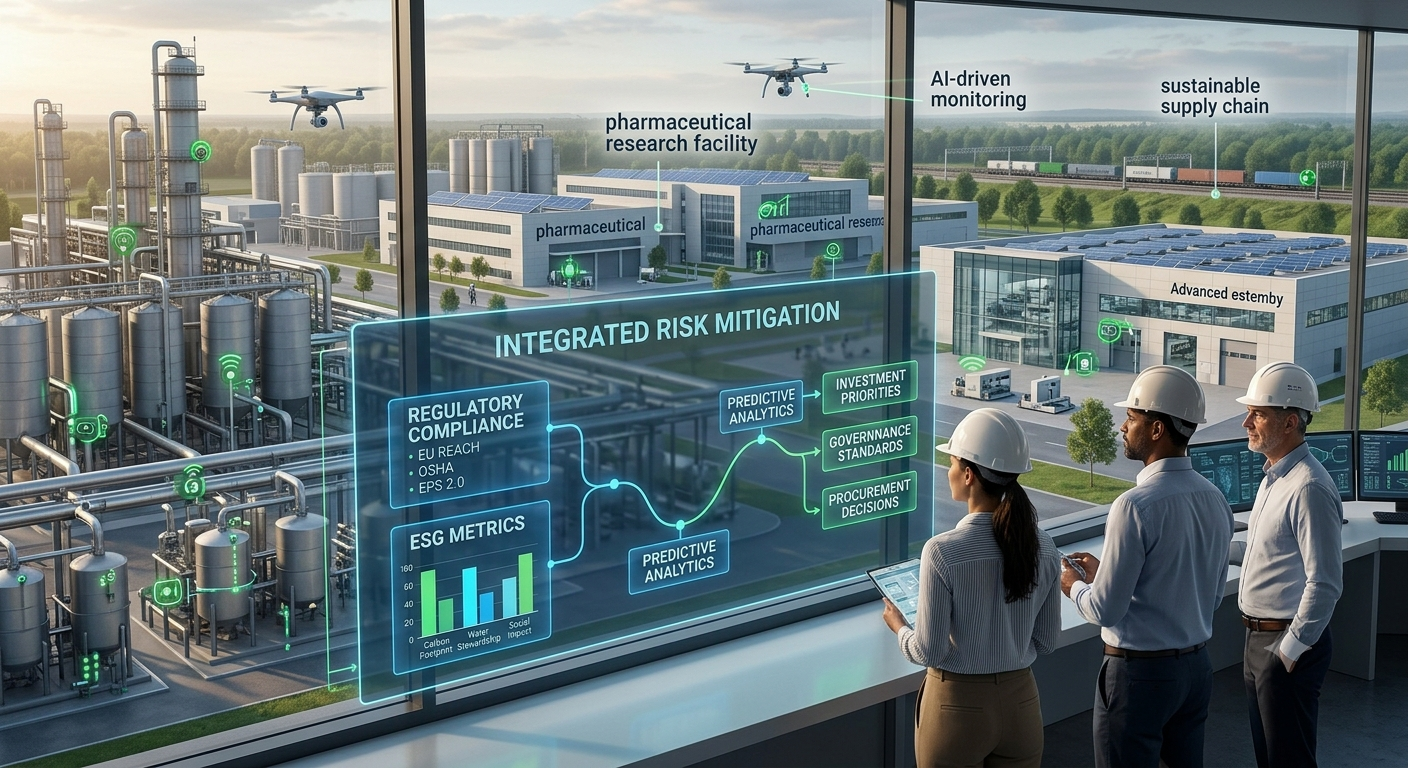
Industrial risk management is no longer just about reacting to compliance requirements—it’s now about building enterprise resilience and staying ahead of potential risks.

Organizations today have to juggle a wide range of challenges at once: operational risk, cybersecurity, climate-related threats, supply chain disruptions, process safety, regulatory uncertainty, and rising stakeholder expectations. As manufacturing embraces Industry 4.0 and becomes more digital, cyber-physical security has become just as critical as traditional physical safety.

Today, chemical and pharmaceutical companies find themselves under greater scrutiny—whether it’s ensuring product quality, protecting the environment, keeping workers safe, or manufacturing responsibly.

Boards are no longer satisfied with risks being managed in separate silos. They now expect a truly integrated approach in which operational, financial, environmental, and governance risks are connected and addressed together.
In reality, organizations that stick to simple compliance checklists will likely fall behind. It’s those that weave risk intelligence into their strategic decisions that will build real resilience, excel operationally, earn regulatory trust, and gain a lasting competitive edge.


Q3. How are evolving environmental, safety, and ESG regulations reshaping investment priorities across industrial sectors?

When it comes to investment decisions, governance quality is now just as important—if not more so—than production capacity.
Today, investors, lenders, regulators, and customers all closely examine whether companies have strong ESG frameworks, a culture of safety, climate resilience, transparent reporting, and effective board oversight.

We’re seeing more and more capital flow toward cleaner technologies, energy efficiency, process automation, emissions reduction, better waste management, employee wellbeing, and responsible supply chains.

When it comes to governance, ESG is much more than just a reporting task—it’s a powerful framework for creating long-term value.
Boards that make ESG a core part of their strategy don’t just check boxes; they reduce regulatory risk, build trust with stakeholders, boost their reputation, and ensure lasting business sustainability.


Q4. How are AI, predictive analytics, and digital monitoring changing the way industrial risks are identified and managed?

Artificial Intelligence is changing the game in industrial risk management, shifting the focus from simply reacting to problems to actually predicting and preventing them.
With digital monitoring systems, companies can keep a constant eye on equipment health, workplace behaviors, maintenance history, environmental conditions, and any unusual operations—spotting potential risks before they turn into incidents.

By harnessing predictive analytics, organizations can stay ahead through preventive maintenance, boost process reliability, reduce downtime, and remain in compliance with regulatory requirements.
But technology, on its own, can’t take the place of good governance.
It’s up to boards to ensure AI systems remain transparent, properly validated, secure, unbiased, and aligned with the organization’s risk appetite. At the end of the day, human judgment is still vital for ethical choices, accountability, and setting the right strategic direction.
Ultimately, the organizations that will thrive are those that blend digital intelligence with robust governance and the wisdom of experienced leaders.


Q5. Which manufacturing segments do you believe are best positioned to benefit from rising global expectations around quality, sustainability, and governance?

Some industries are especially well placed to thrive in today’s environment.
Pharmaceuticals, specialty chemicals, advanced manufacturing, renewable energy, medical devices, electronics, food processing, and sustainable infrastructure all stand to benefit as expectations around quality and sustainability continue to rise.
What sets these sectors apart is their strong focus on rigorous quality systems and their growing commitment to integrating ESG principles into everyday operations.
India is also well placed to benefit as global supply chains diversify.

Looking ahead, what will really set companies apart isn’t just low production costs, but the maturity of their governance, the quality of their products, their commitment to the environment, workforce safety, digital skills, and regulatory strength.
Those who invest early in these areas will earn greater investor trust and open up more opportunities in international markets.


Q6. How has the purchasing criteria for industrial safety and governance solutions evolved as boards become more focused on enterprise risk and ESG?

The way companies make purchasing decisions has changed—they’re moving beyond simply buying safety products and focusing on building broader enterprise risk capabilities.
Boards want to know if a solution will actually make a difference: Does it boost governance, tighten internal controls, support ESG reporting, strengthen resilience, reduce real risks, and add value over the long run?

Decision-makers are now considering much more than just features—they’re weighing factors such as digital integration, predictive analytics, regulatory adaptability, cybersecurity, ease of implementation, scalability, and the quality of the data provided.
The focus isn’t just on getting the lowest price anymore; it’s about the value a solution delivers over its entire lifecycle.
To stand out, today’s successful solution providers show exactly how their technologies help boards oversee risk more effectively, make organizations more resilient, and drive lasting, sustainable performance—not just check regulatory boxes.


Q7. If you were an investor looking at companies within the space, what critical question would you pose to their senior management?

If I had to ask just one question, it would be this:
“How does your Board get independent confirmation that safety, operational risk, ESG commitments, and regulatory compliance are truly built into your business decisions—not just tracked as performance numbers?”

This question gets to the heart of governance maturity, not just operational data.
It’s clear that strong financial results don’t last without solid governance behind them.
When evaluating management, I look for board oversight, independent audits, use of leading risk indicators, accountability at all levels, a healthy organizational culture, learning from incidents, effective succession planning, and ongoing improvement.
At the end of the day, what sets truly resilient companies apart isn’t a lack of risk—it’s how well they govern, how transparent they are, and how effectively they anticipate, manage, and learn from risks before those risks become crises.


Need an expert in this space?

Talk to an Industry Expert

Knowledge Ridge connects decision-makers with carefully vetted subject matter experts for one-on-one calls, research sprints, and advisory engagements — across 11 sectors and 163 sub-industries globally.


Comments

No comments yet. Be the first to comment!

Newsletter

Stay on top of the latest Expert Network Industry Tips, Trends and Best Practices through Knowledge Ridge Blog.

Our Core Services

Explore our key offerings designed to help businesses connect with the right experts and achieve impactful outcomes.

Expert Calls

Get first-hand insights via phone consultations from our global expert network.

Read more →

B2B Expert Surveys

Understand customer preferences through custom questionnaires.

Read more →

Expert Term Engagements

Hire experts to guide you on critical projects or assignments.

Read more →

Executive/Board Placements

Let us find the ideal strategic hire for your leadership needs.

Read more →